THE DAILY DIGEST
By Angela Nelson | Updated Jul 06, 2026

Baby Devices of the Past that are Downright Terrifying

Becoming first-time parents can be daunting. Babies need various new equipment like bottle sterilizers, toys, diaper dispensers, and the list goes on! Some items are cherished family heirlooms, but this list isn't about those. Though safety standards have thankfully improved, there was a time amid man's questionable history of some shocking and concerning devices for children. Let's dive in...


Flying In Style

Photo by imgur.com

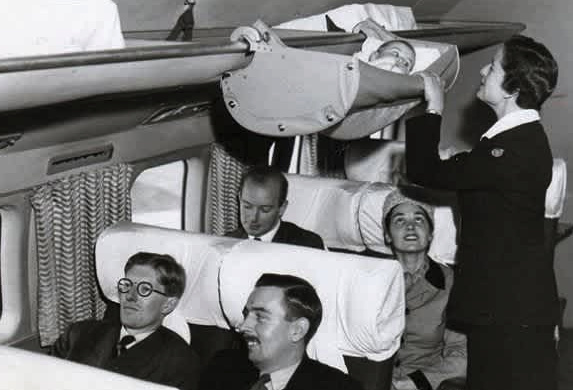
Every parent preparing for air travel faces a common question: should I buy a seat for my newborn? Thanks to an innovative creation from the 1950s, this dilemma might be a thing of the past. Developed by scientists at British Airways, the "skycot" was designed to make flying with infants both easier and more compact.

This device allowed parents to keep their babies close without purchasing an extra seat, offering a novel solution to traveling with little ones. Although it was a revolutionary idea for its time, it does bring up concerns about safety during unexpected turbulence
Air Cribs

Photo by Reddit

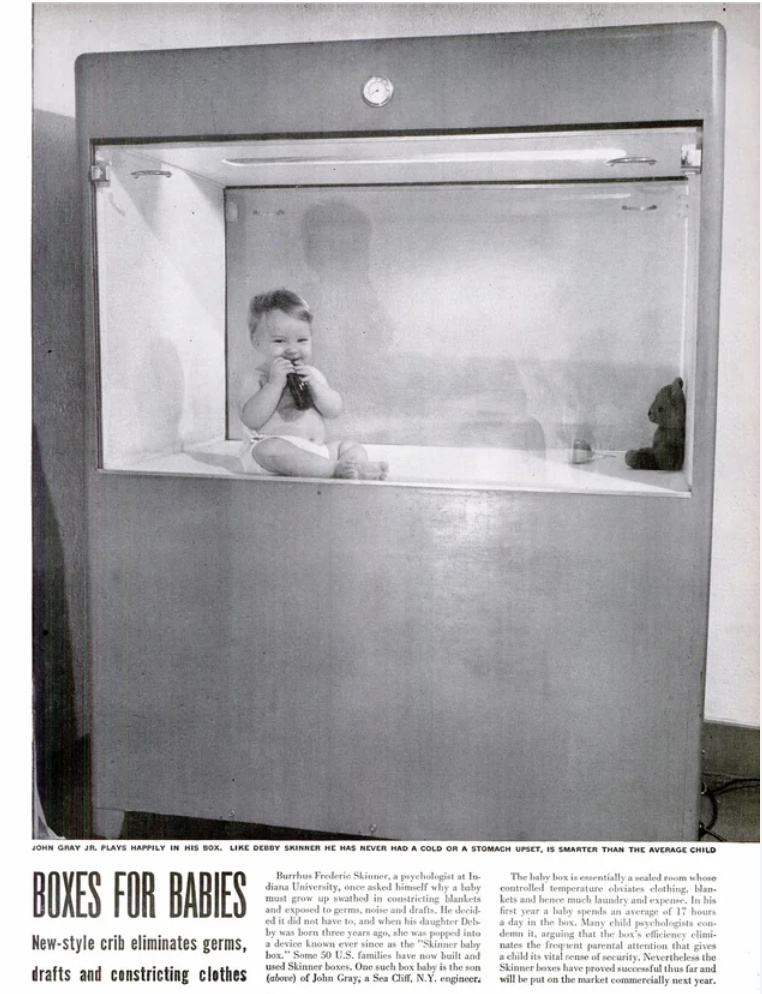
In 1944, the American psychologist B. F. Skinner invented the “air crib” which looks alarmingly like a baby aquarium. The idea behind the crib was not intended to put infants on display, though it may seem that way. It was thought that it could create a perfectly controlled environment for the child, with optimum temperature and humidity.

Skinner thought that children should be free to move around without being bundled up, but he recognized that this left them vulnerable to cold in many environments and seasons. The Air Crib was his solution to this problem. Naturally, however, many parents didn’t enjoy the concept of keeping their children in glass boxes.

Initial Car Seats

Photo by bles.com

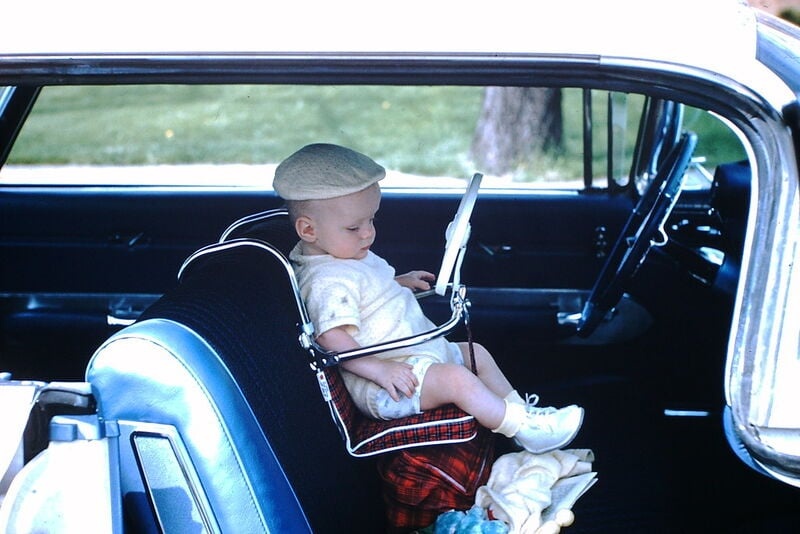
Car seats for children are now thought of as an essential piece of safety equipment for babies and modern-day parents wouldn’t dream of just throwing their kids in the backseat of the car. In the 1950s, car seats for children were a little simpler - just a couple of hooks over the front seat and your baby was ready to ride shotgun!

One of the first thoughts that spring to mind when looking at these early car seats is the lack of safety equipment to protect the baby in the case of a collision. Well, the modern seat belt didn’t become commonplace in American cars until the late 1950s, so perhaps that explains it!

Window Cage

Photo by flickrhivemind.net

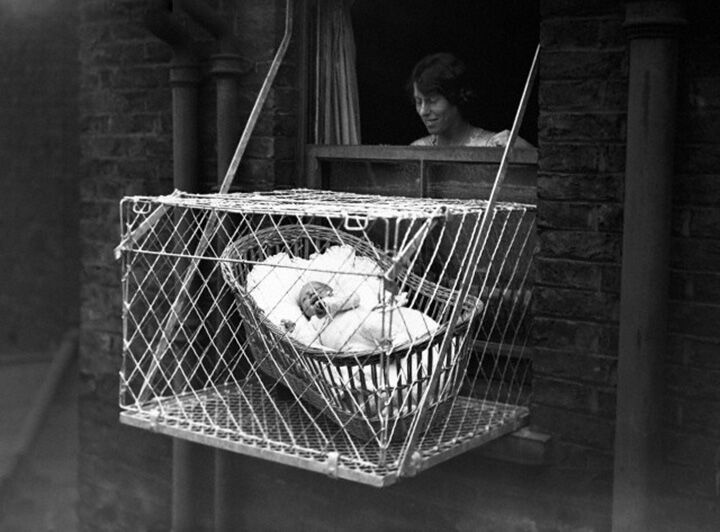
The American pediatrician Luther Emmett Holt had a lot of strong opinions about what was healthy for children, mostly that fresh air made children stronger: “Fresh air is required to renew and purify the blood. Those who sleep out of doors are stronger children.” Many parents agreed with him and children frequently spent long periods outside. However, people were increasingly raising children in cities with minimal green spaces. In 1919, the first patent for a baby window cage was issued.

These terrifying-looking devices were marketed as “window cribs”. It was thought to give babies access to fresh air throughout the day, even if you lived in a city or high-rise building. Even Eleanor Roosevelt is known to have used one, though a neighbor did threaten to report her for child cruelty!

A Very Unnecessary Contraption

Photo by imgur.com

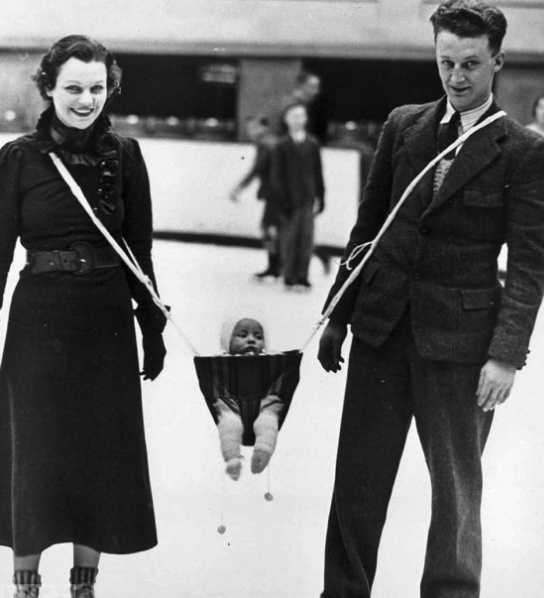
Here's a glimpse of a device that's so bewildering it never hit the shelves—thankfully. Dubbed the "Infant Emergency Room Slingshot," it's easy to see why this concept didn't catch on. A baby suspended between two adults on ice skates, connected by what looks like a pair of suspenders- it's hard not ask why it was needed.

Imagine trying to coordinate steps with another person to avoid turning a leisurely skate into an emergency waltz. And consider the backdrop—the inventors are literally skating on thin ice! The brain behind this risky rig was a hockey player, which might explain the ice connection but certainly doesn’t justify the logic. The whole setup seems less like a practical parenting tool and more like an extreme sport where the only guaranteed medal is a trip to the pediatric ER.

The Automatic Baby Feeder

Photo by dream.co.id

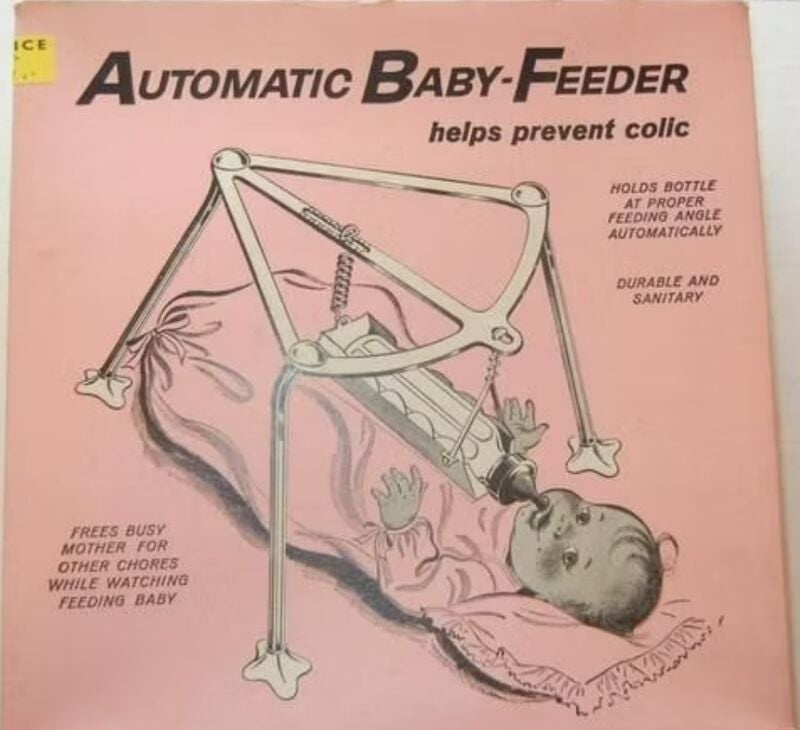
Feeding a baby is never an easy job, even if this next device may give that illusion. Looking like a weird cross between an activity mat and a bottle, this baby feeder was patented in the 50s and was advertized as an easy feeding-solution.

Yet the person who patented this contraption probably never fed a baby in their life, since they didn't know that babies tend to wiggle, stop, and well, breathe during feeding. With the risk of spilled milk or asphyxiation, this device was retired, and rightfully so.

Baby Gas Chamber

Photo by redbubble.com

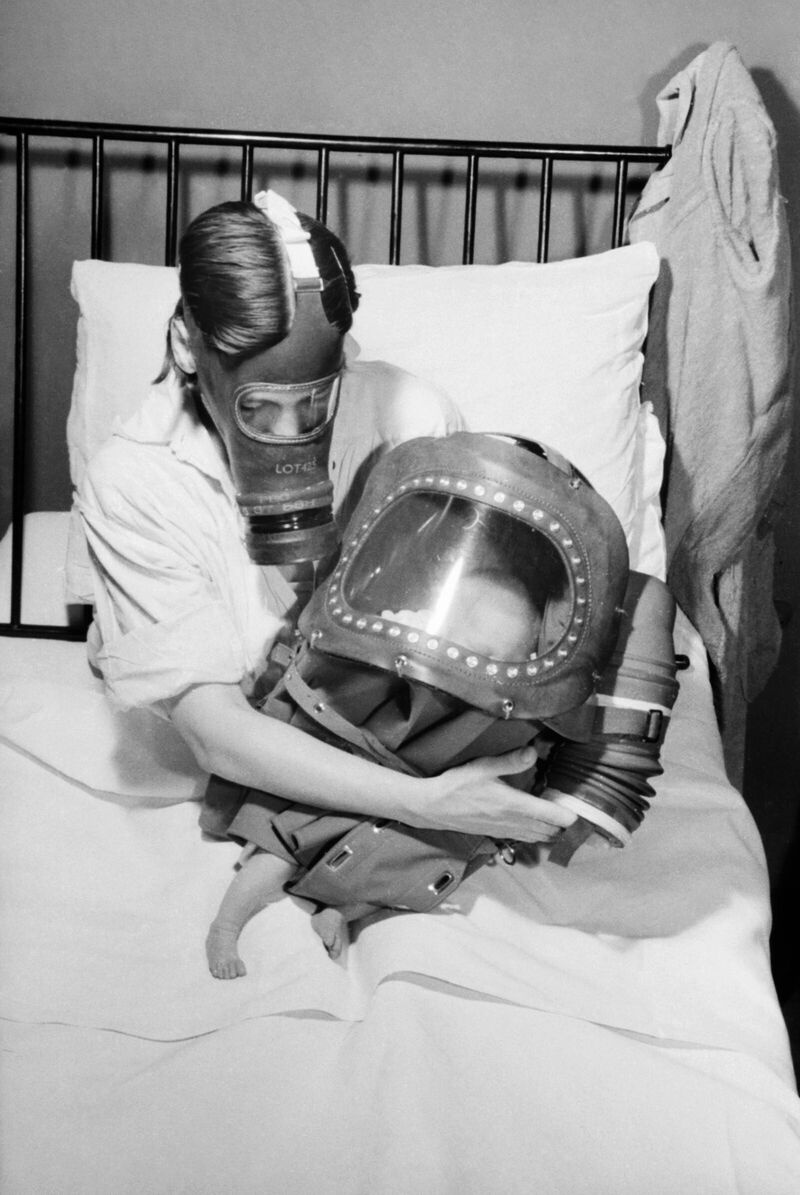
Though terrifying, this item was developed as a genuine necessity, and considering how little adult gas masks have changed, it wouldn’t be a stretch to imagine that a modern version would look any less fear-inducing. During World War II in Europe, the threat of chemical attacks from bombs was a real one and everyone was required to carry a gas mask with them, even children.

Of course, babies’ heads are too small to wear a gas mask so this mini gas chamber was created as a solution. Mothers were taught to fit their own gas masks before assisting their baby, a practice still commonly heard on plane safety briefings today.

A Very Intense Diaper Changer

Photo by imgur.com

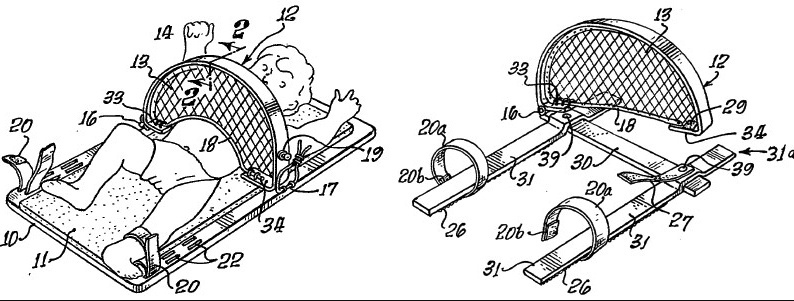
Ever found yourself battling a wriggly infant during a diaper change as they unleash their best ninja moves? It's a challenge, no doubt, but hardly a scenario that calls for Hannibal Lecter-style restraints. Yet, this vintage contraption seems to think otherwise. Designed for the spirited baby, it features a basket-like bed with secure netting, framed by a robust harness system that looks like it could hold a small Houdini.

Straps and buckles aplenty ensure that your little escape artist stays put, even if they decide to practice their escape routine mid-flight. It's an over-the-top solution from a bygone era, where baby gear met extreme engineering.

Rubber-Bottomed Baby Pants

Photo by turbojeans.us

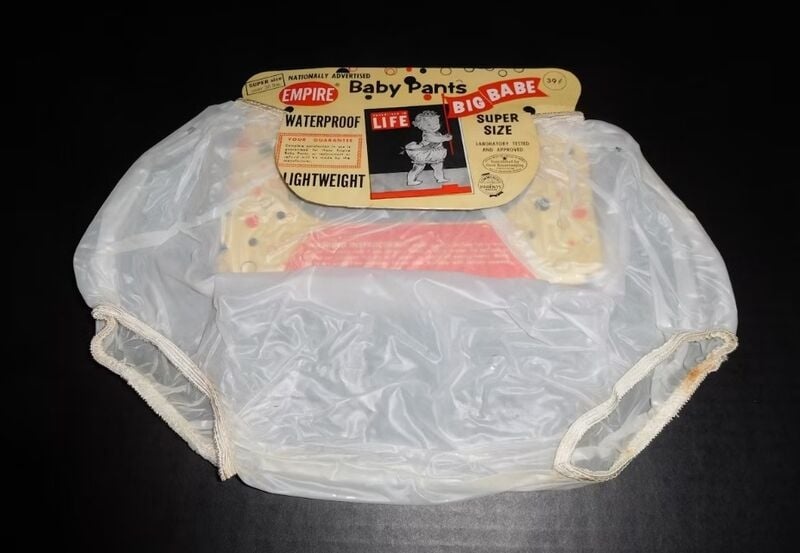
On paper, these rubber diapers appear to save new parents a lot of time on washing old-fashioned cloth diapers, but like many other patents, they had their donwsides.

It's widely known that babies have especially sensitive skin, and these non-breathable rubber pants caused the poor infants who wore them to develop terrible chafing and painful rashes. It didn't take long for mothers to abandon those completely.

Gas Attack Pram

Photo by guff.com

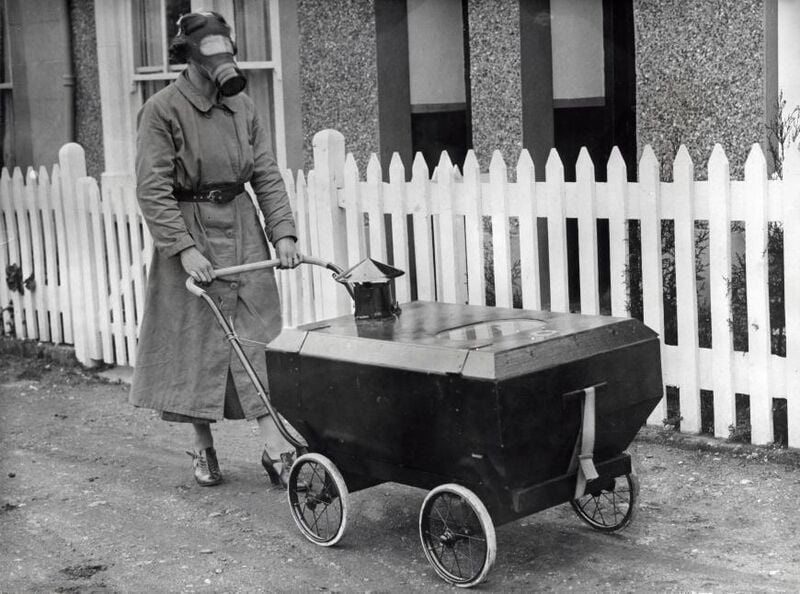
From 1939 to 1945, the Second World War ravaged Europe. There were frequent air raids across the UK and continental Europe, leaving residents terrified of potential chemical gas attacks, which fortunately never came. There were various solutions for protecting children and babies, including the aforementioned gas chamber. But some days, it was inevitable that babies didn’t want to be in a chamber and the solution was, oddly, the gas attack pram.

The wheeled pram was air sealed and looked a little like a rolling coffin. It was an effective method of protecting your child, but the mothers must have been grateful that they never had to test how effective they were.

Nearly A Good Idea

Photo by imgur.com

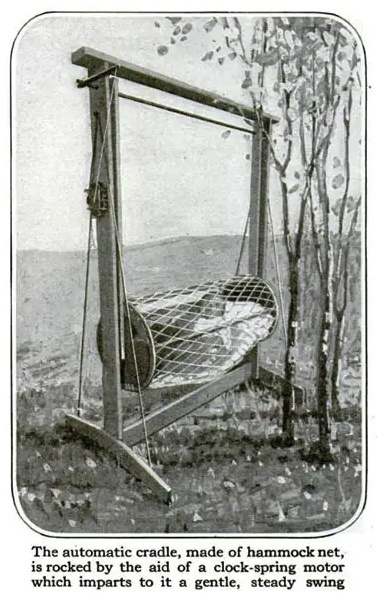
Sheldon D. Vanderburgh, a new father from New York, was feeling the typical exhaustion that comes with parenting a newborn who always cries. In search of relief, he crafted a baby hammock. Starting with a design that resembled a basket, he used netting and circular ends to create a cozy bed. He then mounted this basket onto a wooden frame but didn't stop there.

Vanderburgh enhanced the cradle with a self-rocking feature by incorporating a clock-spring motor. This motor powered a crank arm that gently swung the hammock, adding a soothing rocking motion. An added benefit was the soft ticking sound from the motor, which helped lull his baby into a peaceful sleep.

Thumb Guard

Photo by blockmy.info

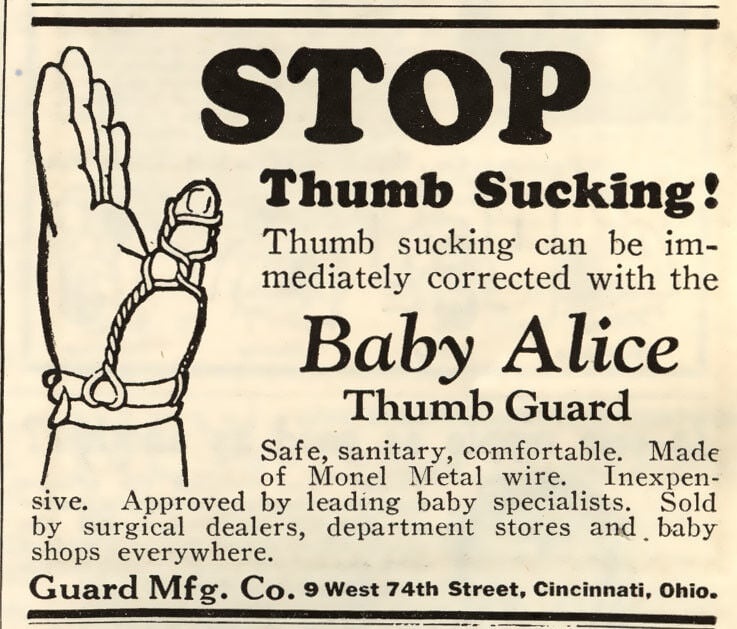
Babies and children have been sucking their thumbs for hundreds, probably thousands, of years. And for all that time, their mothers have been telling them to stop! There have been many methods to discourage children from the habit over the years. The most innocent of these include applying a foul-tasting substance to the thumb or simple reward systems. The “Baby Alice Thumb Guard”, released in 1931, doesn’t look so innocent.

The thumb guard itself consists of a complex twist of wire around the thumb and wrist. Presumably, the tactic is to make the thumb unpleasant to suck so the child will desist - though it has the unfortunate attribute of also looking like an infant torture device.

The Never-Clean Baby Bottle

Photo by baby-center.club

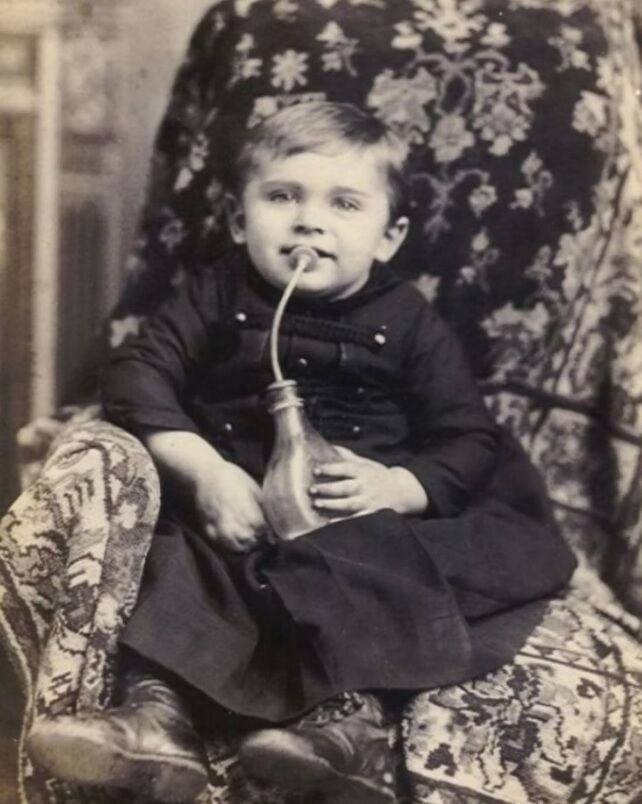
One of the most time-consuming jobs for new parents is the constant cleaning of their little treasures' feeding bottles. For a time, however, the Victorians seemed to have found the ultimate solution.

During this very medically-questionable era, mothers would use a type of glass bottle that they attached to their breasts on one side and had a rubber straw on the other. With time it was discovered that these bottles carried a serious health risk since they were literally a breeding ground for bacteria. It took a while until the marketing effects wore off and the mother stopped using these bottles.

Metal Walking Hoop

Photo by answers.com

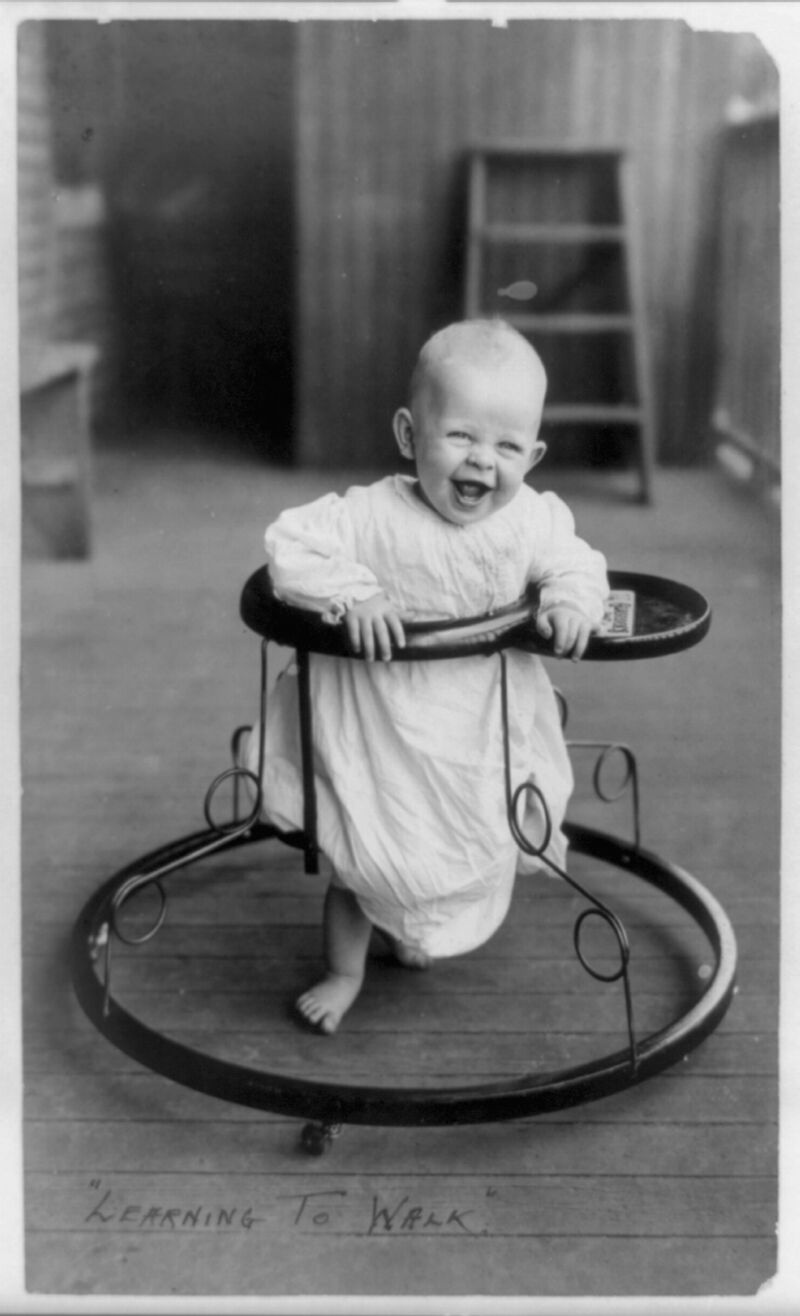
Learning to walk is a key milestone for any child. There are numerous devices around these days to help little kids to learn how to balance by themselves. Most have nice rounded edges and are made of brightly colored plastic upon which it’s difficult for children to hurt themselves. This metal walking hoop has neither of these features.

Constructed of metal and with many sharp edges and places where a baby could get an arm stuck, this device definitely wouldn’t pass any safety checks these days! While it was no doubt effective, it’s hardly surprising that baby equipment made of intricately twisted rusty metal is a thing of the past.

Mechanical Baby Doll

Photo by saclancelsoldefr.com

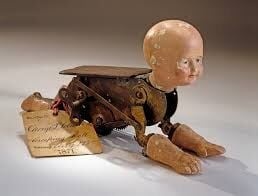
Modern-day baby dolls have featured in various horror films over the years and many people find their flat eyes disconcerting. But the fact remains that covered in skin-colored materials and dressed in baby clothes, they do look more or less like real children. In contrast, this is an early model that would spook anyone.

This toy was patented in 1871 and was said to be revolutionary. The mechanical doll supposedly moved naturally, and crawled “just like a real baby”. It was popular at the time and was even said to promote early crawling in babies. Aside from the exposed gears being completely unsafe for children, this terrifying mechanical toy is enough to give anybody nightmares.

A Post-Pregnancy Push

Photo by Pinterest

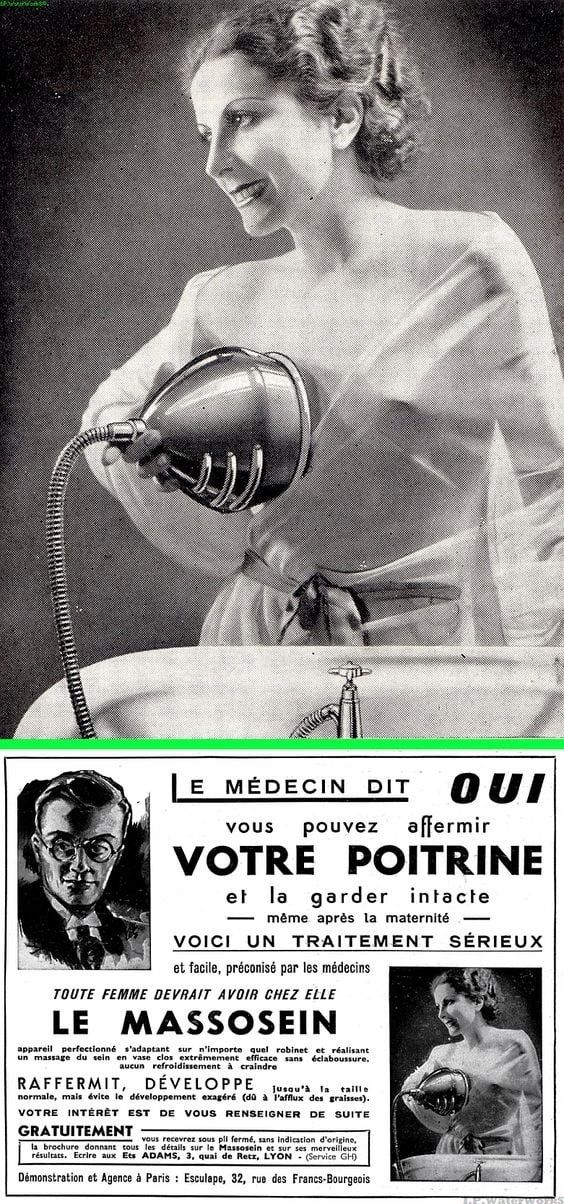
It might not be for babies, but this device for postpartum moms certainly makes our list. Loosely translated, the advertisement in French describes the device as made to get a woman's chest back to "normal" after giving birth by circulating cold water around a woman's chest. It also says that any woman should try it.

We might doubt the efficacy of cold water in shaping any part of the body, but we certainly doubt the idea that any woman should feel influenced or pressured after giving birth.

Syrup with Morphine

Photo by zazzle.com

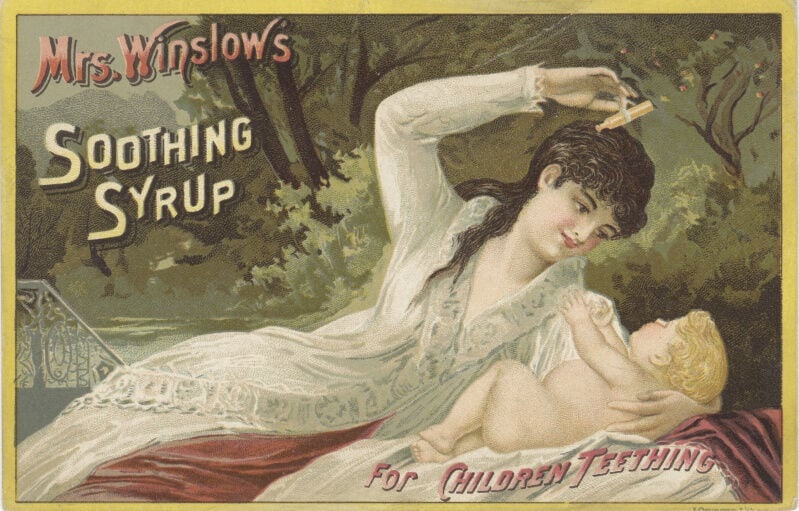
Teething and ill babies make their discomfort known to all - often and loudly. But imagine if there was a way to transform these restless, uncomfortable babies into peaceful, sleeping angels? Well, way back when, you could - with Mrs. Winslow’s Soothing Syrup! This remedy was popular in the mid-1800s when over 1.5 million bottles of this miracle cure were bough annually. The reason for its success is simple: it contains morphine.

Morphine is a powerful opiate and painkiller, well known for its effectiveness, addictiveness, and potency. Few people are prescribed pure morphine these days, and instead receive one of the many synthetic (and slightly less potent) alternatives like oxycodone or Vicodin. At the time though, drugs were not regulated or required to list their ingredients. Unsurprisingly, it was denounced by the American Medical Association in 1911, after numerous children became addicted and even died from overdosing. Due to customer loyalty, the product continued to be found in circulation until 1930.

UV Lamp Brands Babies

Photo by boingboing.net

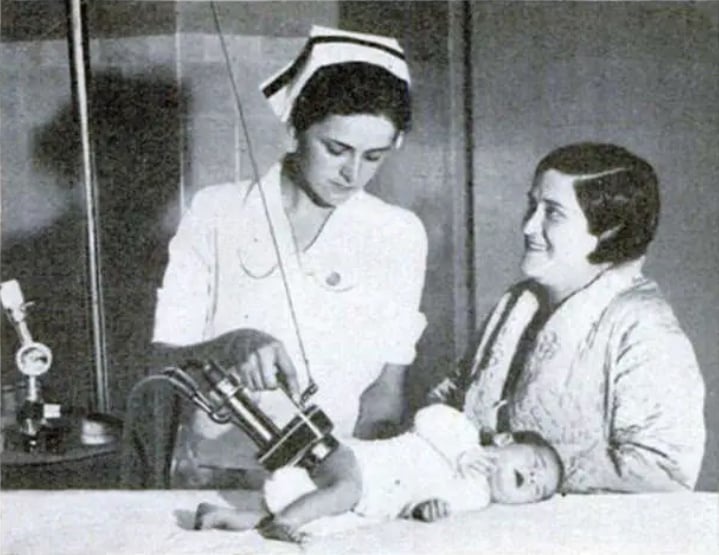
Any new mother will probably thank her lucky stars that her baby wasn't born 60 years ago, back when they were branded with a UV lamp. Yes, you are not misreading this- branded with UV lamps. Past medical treatment has always been dubious at best and abhorrent at worst, so it's not too surprising to see this on the list.

The intentions behind this practice were overall positive- hospitals didn't want to lose or switch between newborn babies. Still, let's say that we are happy that hospitals today came up with a simpler, less disturbing solution. Honestly, how hard was it to come up with a tiny ID bracelet?

Cocaine Drops for Toothaches

Photo by acidcow.com

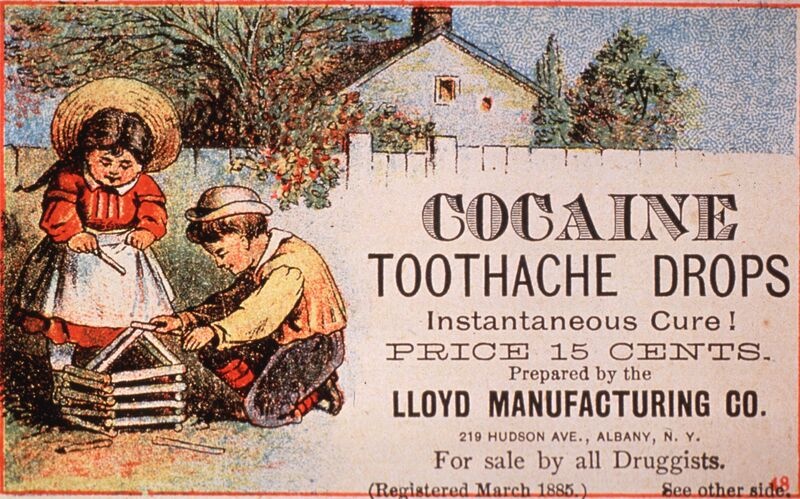
In the Victorian era, children were encouraged to be seen and not heard. Unfortunately, teething babies very much enjoy being heard, so perhaps it is unsurprising that the era came up with so many effective methods of making teething more comfortable. It’s just unfortunate that so many of them involve Class A drugs. For example, these toothache drops contained a form of cocaine.

The drops promised an instant and effective end to your baby's aching gums and toothache. Cocaine was an interesting choice for a baby medication though; it is often used as a stimulant so it couldn’t have been the most restful night for the parents after administering these drops.

Maternity Corset

Photo by eBay

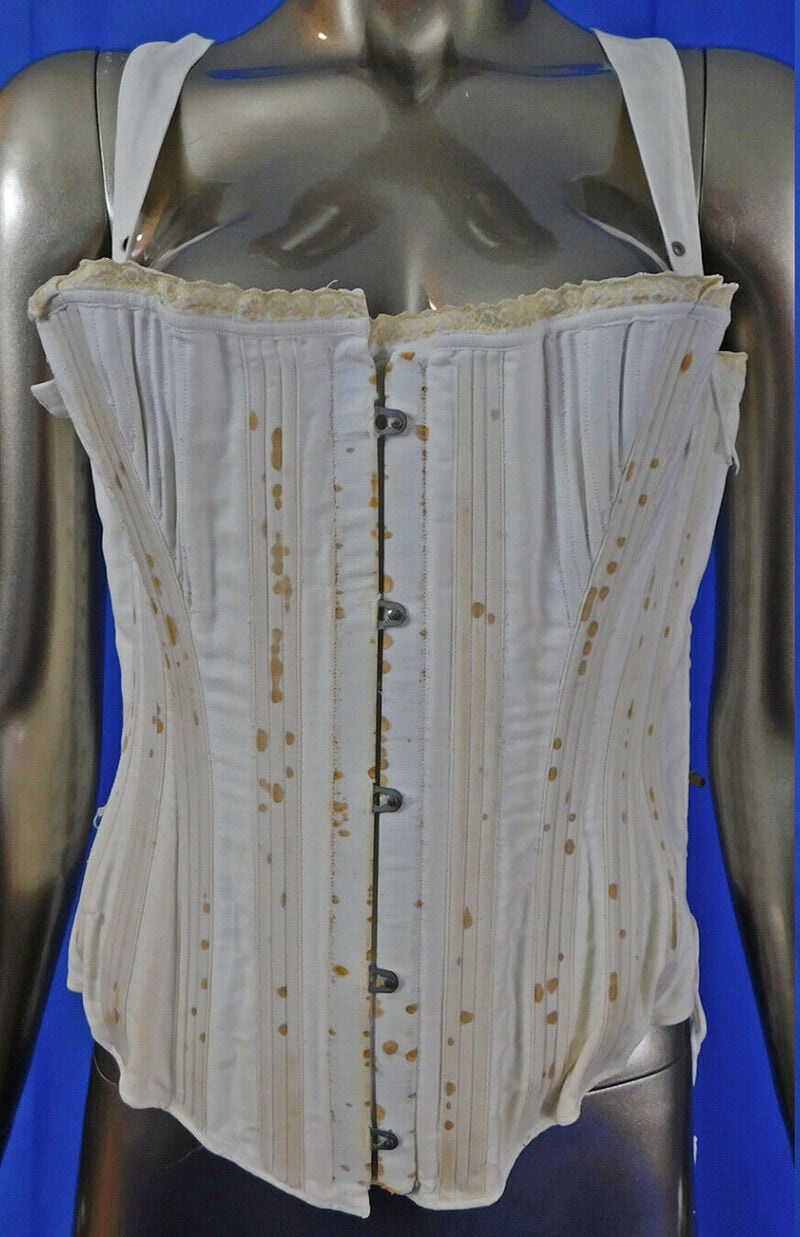
While these are, fortunately, not for the use of infants, it is still a pretty gruesome concept. Around the turn of the 19th century, it was popular for women to have an hourglass silhouette with a nipped-in waist - often achieved with the help of a tightly laced corset. Pregnancy wasn’t seen as an excuse not to conform to the beauty standards of the day.

These corsets could be laced tighter and tighter as the pregnancy progressed and promised the wearer a flat stomach throughout. It must have been excruciatingly uncomfortable for the woman, as well as potentially damaging the unborn baby.

Early Breast Pumping

Photo by The Library of Congress/Drevan Show Tokee

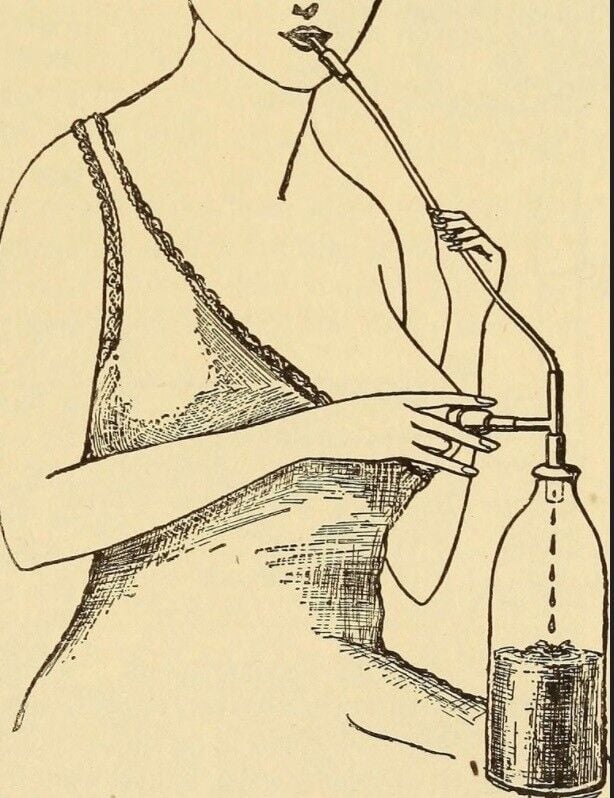
Breast pumping is a practice still used today by mothers around the globe as an easy and effective way to feed your baby with nutritious breast milk around the clock, even when you’re not there to do it. These days, the breast pumps are pumped by hand or mechanical means.

Back in Victorian times, breast pumps were slightly more rudimental. They were ingenious for the time and involved a glass bottle attached to a tube. The woman then had to hold one tube against her nipple while sucking (or siphoning) through another. It seems like a lot of work compared to modern-day pumps!

French Breast Washer

Photo by bjweekly.com

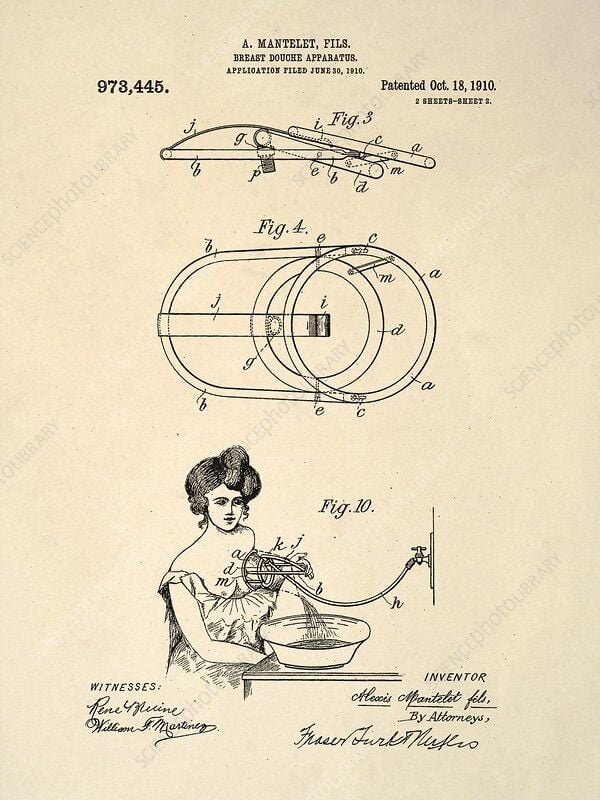
No, that’s not a typo or a joke. This slightly bizarre contraption became popular in France during the early 20th century to encourage women to keep their breasts clean. We would hope that breastfeeding was the impetus for this invention…

This contraption worked almost like a breast dishwasher. It used warm, circulating water to thoroughly clean the nipple and milk ducts, which theoretically improved milk flow and helped to prevent mastitis. The scientific evidence was minimal, however, which is one of the reasons why it never became commonplace.
Iver Johnson Revolvers

Photo by vintagepaperads.com

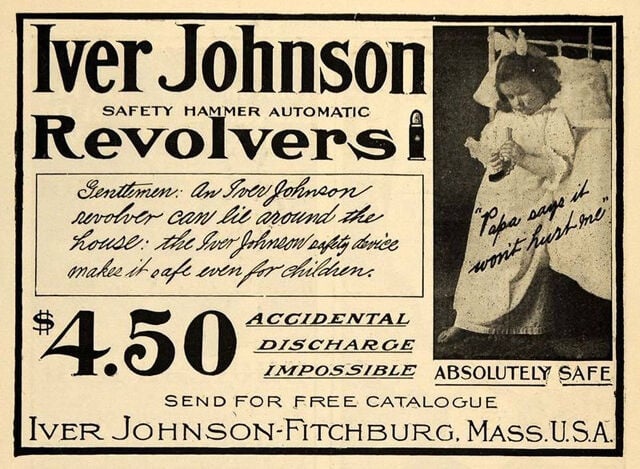
This item features a product that wasn’t intended for the use of babies, it just shamelessly used them in its advertising campaign. Iver Johnson Revolvers were advertised as being so safe that a child could play with the gun as a toy, with no danger to themselves or others.

Though the revolvers were said to “shoot straight and kill”, the advertisement also showed them being handled by babies and young children. They claimed that accidental discharge was “impossible”. Given that accidental gun deaths were common in the 19th century, it is hard to believe that this was true.

Victorian Baby Swing

Photo by etsy.com

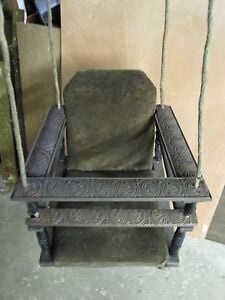
The Victorians aren’t coming off too well for baby safety in this list. Next up is a classic Victorian baby swing. A common practice was just to attach ropes or chains to a standard baby chair and attached it to the ceiling joists.

This particular model appears to be made out of metal and strongly resembles a piece of medieval torture equipment. Though its use was surely more innocent than that, the many sharp edges and places to trap little fingers and toes create plenty of hazards for babies.

Baby Jewelry

Photo by escortartvin.xyz

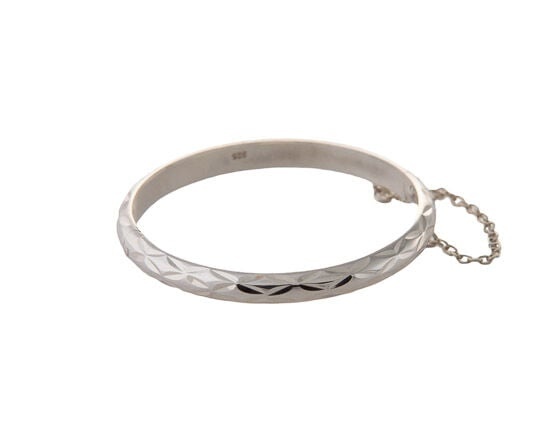
Another hit for the Victorians - this time, baby jewelry. While the practice of baby jewelry is still practiced in many cultures around the world, there is generally a more safety-conscious approach.

In the 19th century, babies were given pretty jewelry regardless of their age or propensity to put things in their mouths, leading to plenty of choking-related deaths. Jewelry was given regardless of the size of the item and many were easily swallowable. Precious jewelry pieces were lost into the mouths of babies.

7-Up

Photo by fkdesignz.us

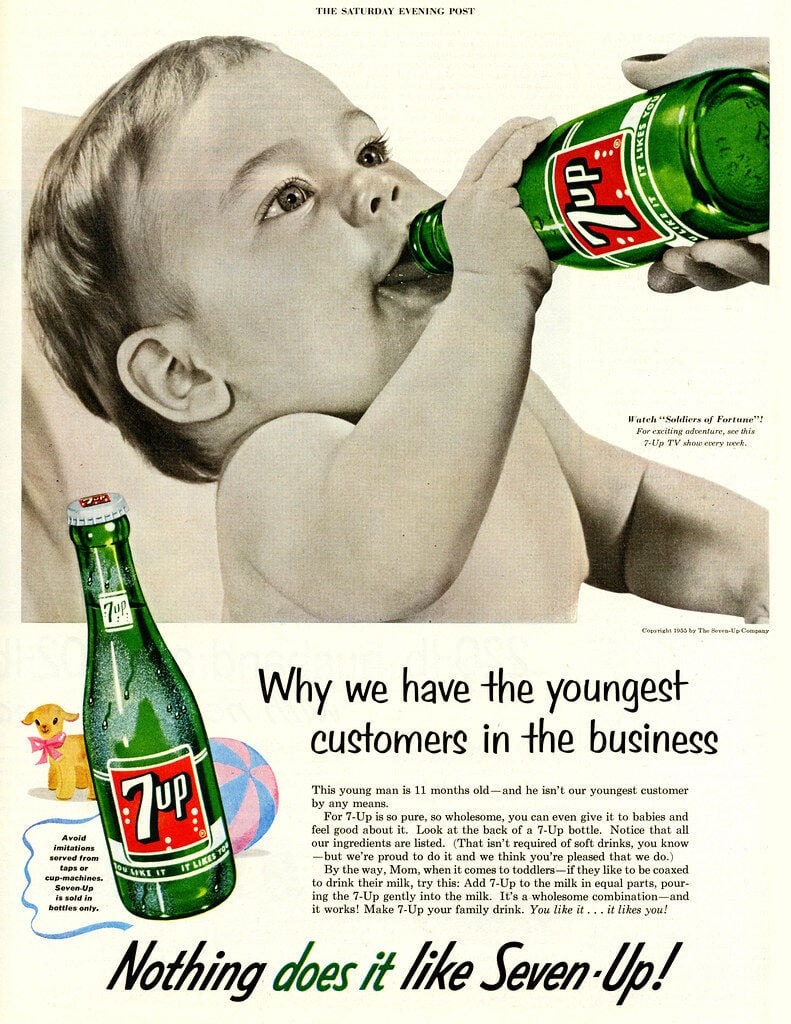
When thinking of foods and drinks suitable for infants, fizzy soda is probably not the first thing that springs to mind. But that’s exactly what 7-Up tried to change with this advertisement from the 1950s.

They tried to brag about having the “youngest customers in the business”, which worked well as a marketing strategy for a time. The consumption of sugary drinks and foods was popular in the 1950s when the food shortages and rationing from the Second World War were starting to abate. Of course, nowadays it is more widely accepted that children probably shouldn’t be drinking fizzy sugar syrup from infancy!

Diaper Pins

Photo by homesoutdoors.us

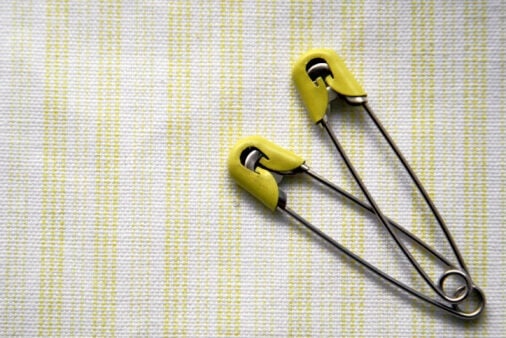
Diaper pins were large safety pins that were used to secure the cloth diapers of the past. They needed to be large and sharp to get through the thick layers of cloth but this inevitably made them dangerous around babies. Not only was there always a chance of nicks and cuts, but a baby getting hold of one and putting it in their mouths could be catastrophic.
Nowadays, disposable diapers with sticky tabs are much more commonplace. Even as cloth diapers begin to gain popularity once again due to parents who are environmentally conscious, most feature closure methods like velcro and poppers - much safer than enormous pins!
Gillette Razors

Photo by advertisingarchives.co.uk

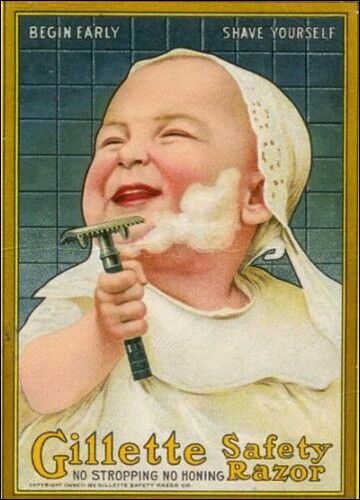
Okay, so Gilette never directly advertised for babies, telling them that their face fluff wasn’t soft enough. But they did feature them quite heavily in this advertisement from 1905.

The catchphrase of “begin early, shave yourself” could certainly be easily misconstrued, as could the indication that it was safe for children and infants to handle sharp razor blades. Though advertised as a safety razor, it is still inadvisable to show children that it's okay to handle dangerous equipment intended for adults, lest they get curious.

UV Branding

Photo by teachersource.com

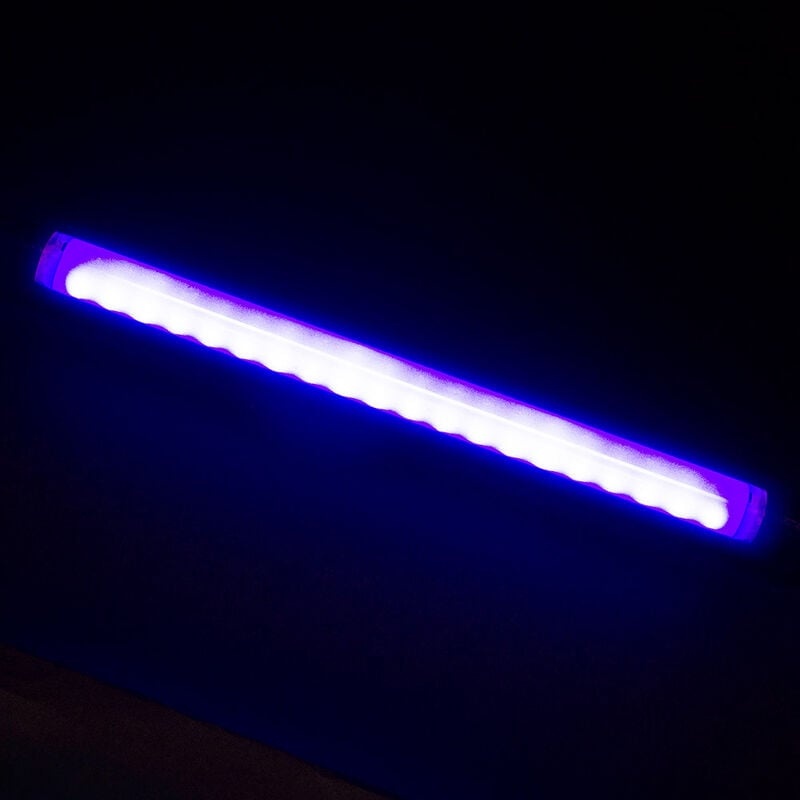
Babies in a nursery are a cheering sight. Row after row of happy gurgling babies ready to go home and being cared for by smiling nurses. But how do you tell them apart? Nowadays, there are name tags carefully checked at each step of care, and there is always the option of DNA testing if you’re not convinced you got the right one. But in 1938 in Brooklyn, New York, there were a lot of issues with mixed up babies.

The answer? Ultraviolet light that stains (or “brands”) the babies' skin for up to two weeks, allowing for accurate identification. The practice didn’t harm babies in any way, but the concept of “branding” a baby in any way would be abhorrent to most parents nowadays.

Baby Tub on Stilts

Photo by Etsy

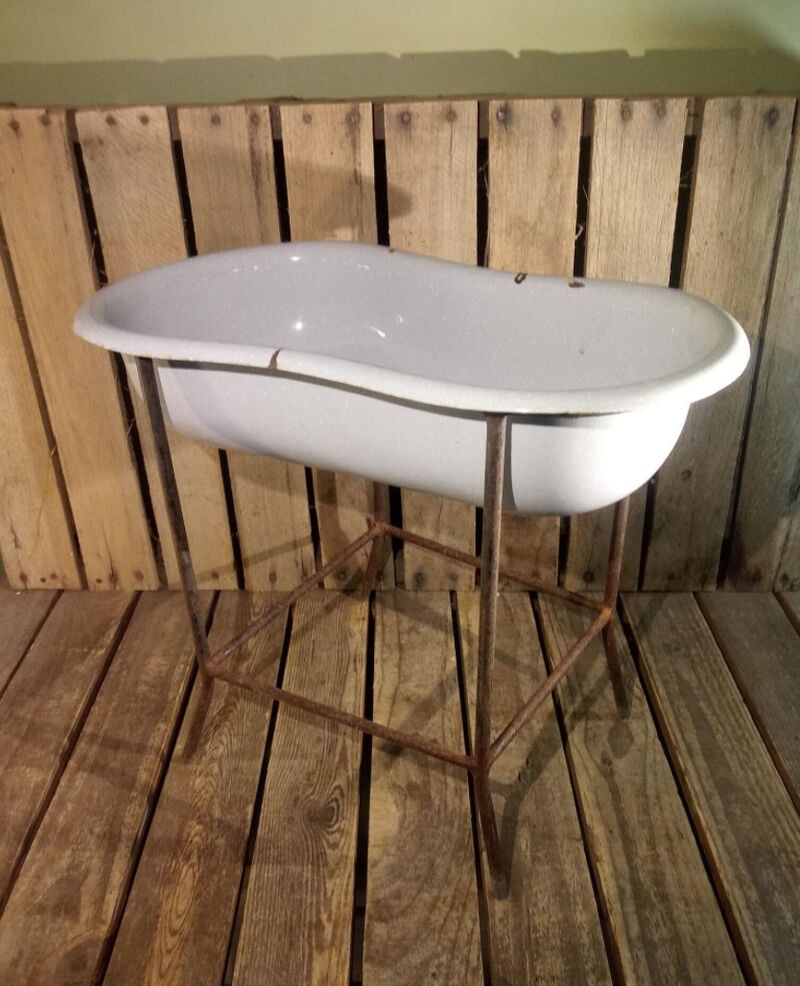
Baby baths have taken many forms over the years, but the basic premise has stayed mostly the same - a tiny bathtub for a tiny human. Parents have used everything from washing tubs, sinks, and even big cooking pots over the years - anything to get the job done! One of the more out-there options during the early 20th century was the bathtub on stilts.

While the concept stays largely the same, the danger factor gets ramped up a notch. A curious baby leaning over the side of this bath could slip and fall, easily getting hurt.

Baby Rattle With a Whistle

Photo by eBay

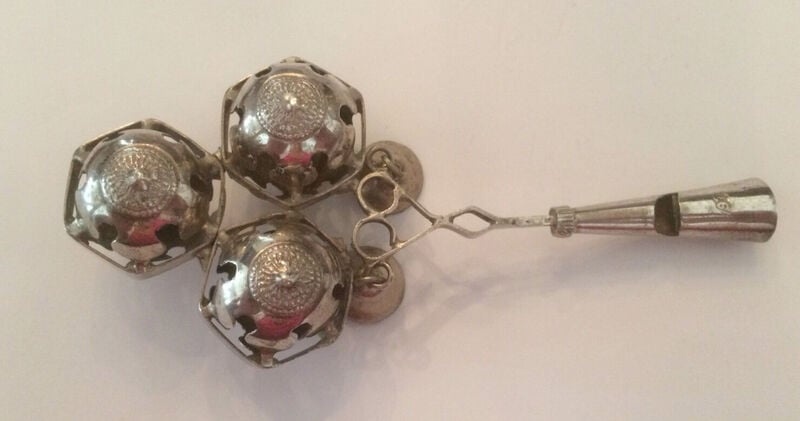
Babies enjoy making noise. That is a simple fact of childrearing that many new parents struggle with. They love using their newly found voice as well as shaking rattles and whatever other noise-making items they can get their hands on. The Victorians had a great idea to indulge this little quirk - a rattle… with a whistle!

Why have one type of noise when you could have two? That was clearly the thinking for this one-man-band baby toy. Parents these days might not warm to something which allows their baby to make a high-pitched whistle on demand...

Baby Rattle With a Teething Stick

Photo by Etsy

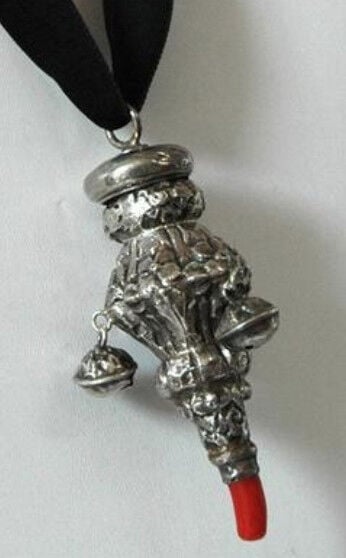
The Victorians really were big on multitasking. For this option, they have chosen to combine a traditional silver baby rattle with a teething stick. The teething section was often made of ivory or stone in order to provide cool relief for teething little ones. The designs were elaborate, with various bells and beads hanging off for maximum “rattle”.

Encouraging children to put something adorned with beads and bells into their mouths might be thought of as dangerous these days, but clearly, the Victorians weren’t quite as careful!

Strollers Without Straps

Photo by to2bebe.com

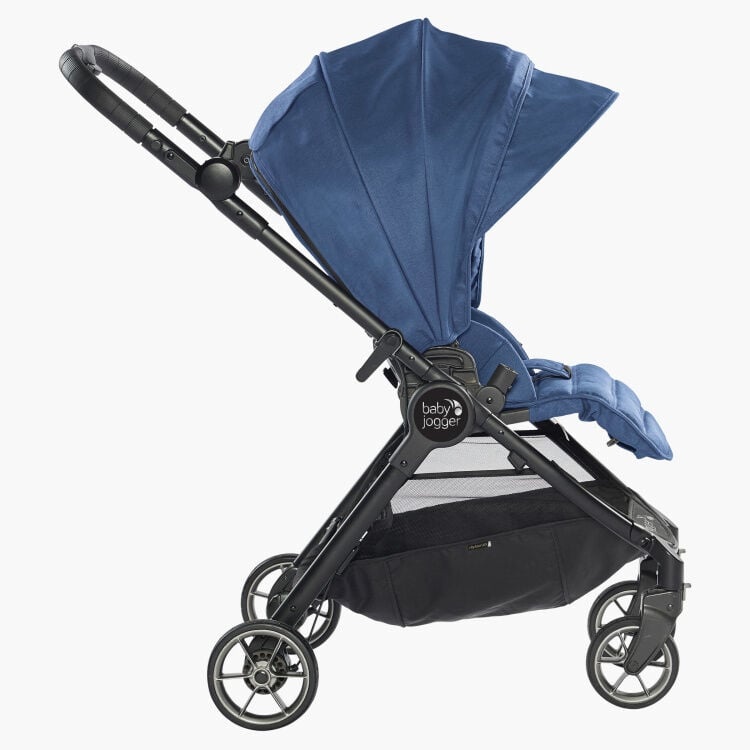
Throughout the last few hundred years, parents (or nannies) would enjoy pushing their babies or children along in their strollers. Nowadays, there are plenty of models with many different safety measures in place to keep the tots firmly in the seat where they belong. But in the 19th and early 20th centuries, straps weren’t seen as a necessity.

Instead, children in front-facing strollers simply had to hang on and hope that the wheels didn’t get caught on any loose paving slabs, lest they get rudely ejected from their seat!

Baby Bottles Made of Crystal

Photo by eBay

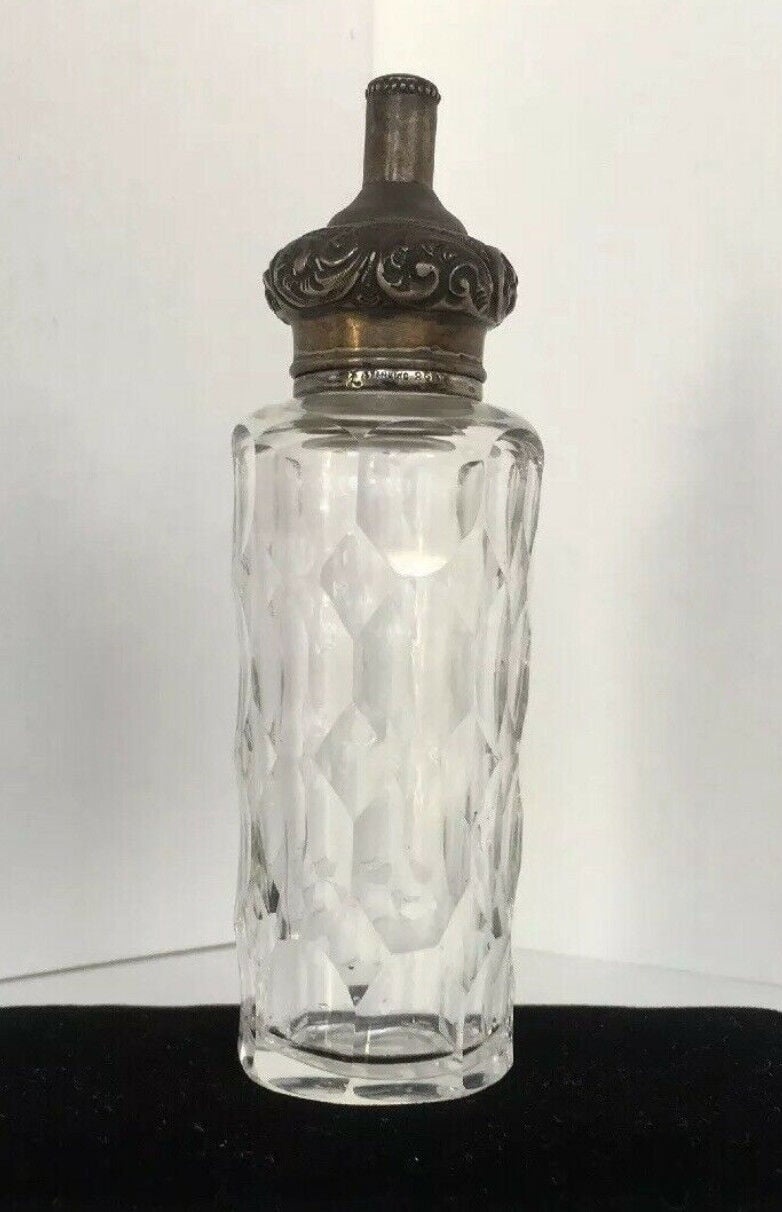
Though it might seem like a terrible idea to give a baby a bottle made of crystal and sterling silver, there wasn't a huge amount of options during Victorian times. Plastic wouldn’t be invented for years so how else could you feed a child?

Of course, the crystal and silver options for children were probably used by the upper classes, while cheaper alternatives made of basic glass were probably also used. The lower classes usually relied on breastfeeding until the child was old enough to drink from regular cups and eat solid food.

Bronze Pacifier Clips

Photo by eBay

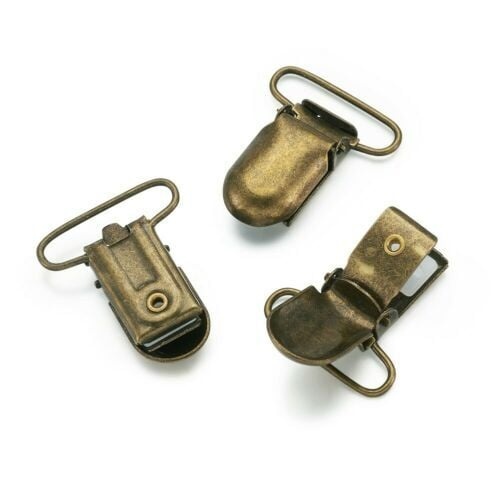
Pacifiers are an essential piece of baby gear that will keep a baby quiet and happy. But, babies are also temperamental and like to spit out pacifiers frequently, which can be a nightmare to keep track of for parents. The answer is pacifier clips, which keep the pacifier attached to the baby even when they’ve discarded it.

Most models these days are covered up to guard little fingers against getting caught in the clip. These vintage bronze clips, however, don’t take that safety measure into account. Though those sharp crocodile-clip teeth are undoubtedly effective at attaching to babies' clothes, they’re also probably very effective at trapping tiny fingers!

Terrifying Squirrel Doll

Photo by Etsy

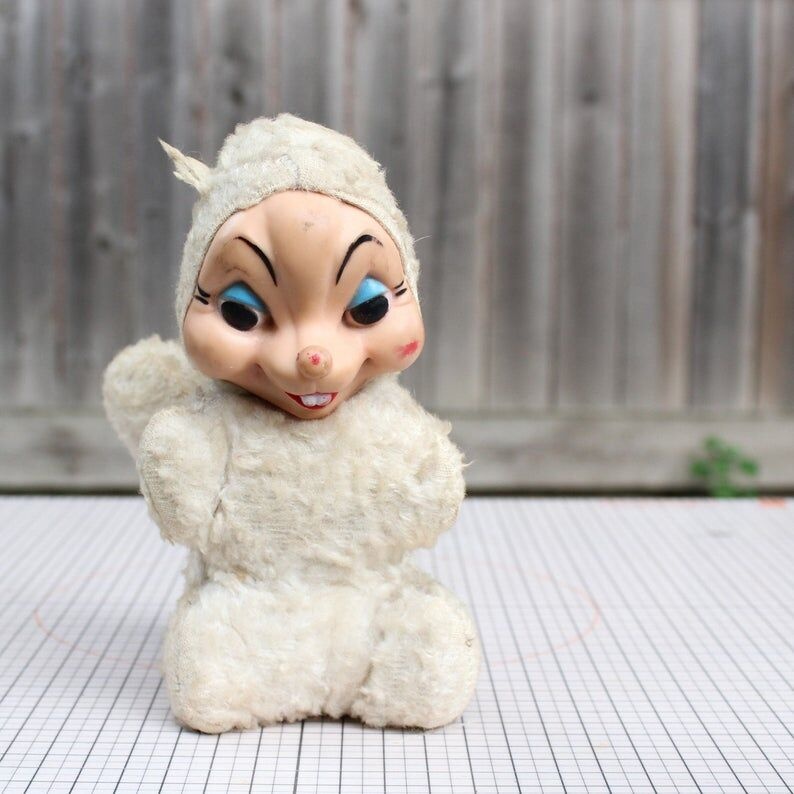
Children become very attached to their childhood toys, seemingly even when the toy in question is enough to give the parents vivid nightmares, highly reminiscent of the Gremlins movie. This toy originated in the 1960s and hopefully, it was mildly less scary at the time, before the age of the Gremlins and Chucky.

Though probably more frightening to parents than the children, there’s nothing actually dangerous about this one - other than the sheer creep factor.

Rocking Horse

Photo by eBay

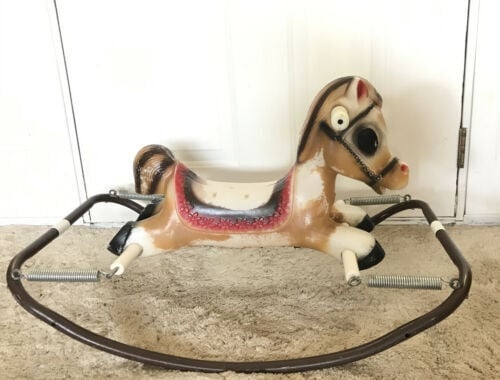
Rocking horses have been a popular children's toy for hundreds of years. Though they didn’t appear as a toy until the 17th century, earlier models have been found which appear to have been used for jousting practice in medieval times. There are a number of types, including a solid model that rocks back and forth like a rocking chair and one which has a solid base and a moving saddle. In the mid 20th century, a new model emerged.

This model included springs at each corner of the horse, where it attached to the frame. The result was a more mobile and bouncy toy which children undoubtedly loved. Unfortunately, the springs provided plentiful opportunities for young children to trap their fingers (and toes), and it wasn’t long before the toy was discontinued.

Musical Chimp

Photo by nicozon.net

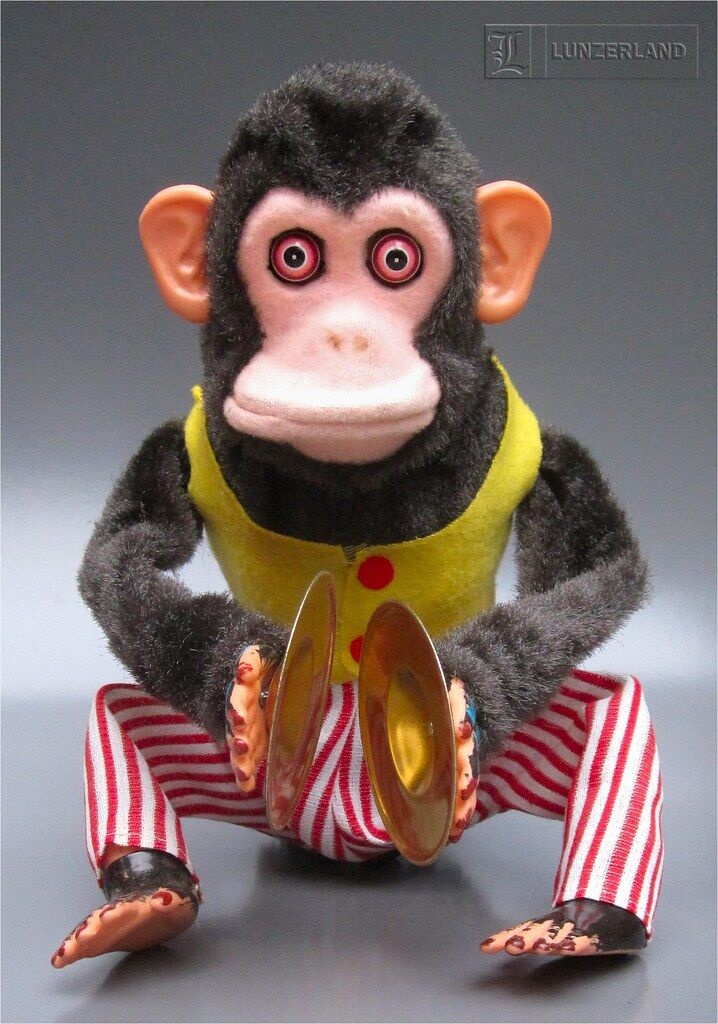
The musical chimp is a common sight and many people will recognize that the toy can be found in some forms even today. Nowadays, the chimp is friendly, smiling, and usually made of plastic or wood. This model from the 1950s looks more like the stuff of nightmares.

The popping red eyes, manic expression, and wide mouth are enough to put anyone off buying one of these for their homes. Even an inclusion in Toy Story 3 hasn’t been enough to make this guy popular again.

“Don’t Show Your Children Love”

Photo by Pinterest

While baby equipment has had its fair share of misjudgments over the years, baby-rearing advice is no exception. In the past, it was often cited that babies shouldn’t be shown too much love. In 1928, the pediatrician John B. Watson wrote Psychological Care of Infant and Child.

A direct quote from the book says, “There is a sensible way of treating children. Treat them as if they were young adults. Never hug or kiss them, never let them sit in your lap. If you must, kiss them once on the forehead when they say goodnight. Shake hands with them in the morning.” Somehow, we’re not sure this would catch on these days!

Next up, take a look at the best and worst beauty trends in history.

Section 41

Photo by onedio.com

Beauty Trends Throughout History - Recreate At Your Own Risk!Some people might think it’s a recent thing, but down through the ages, women (and some men) have sought to emulate what was thought as beautiful during their times. Some ancient beauty practices may seem odd to us these days (making your lips bleed to make them redder, anyone?) but then, some of our practices (waxing) might seem like torture to others.

We’ve had a look back, all the way from ancient Egypt to the modern-day, to pick the best and worst beauty trends. Some you may decide to adopt now, but most will make you cringe at the thought and be glad that you’re out in the world now and have beauty bloggers at your fingertips.

Black Teeth

Photo by earthsky.org

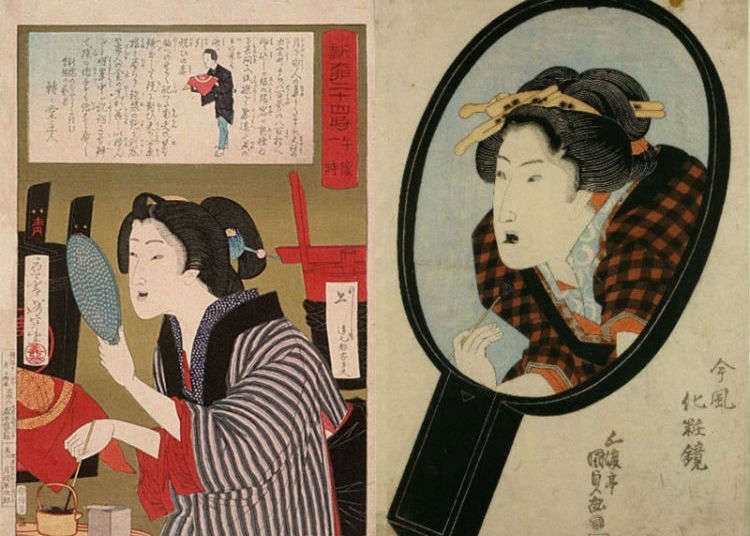
Imagine flashing your grin, only to expose a mouthful of blackened teeth. Believe it or not, this was once considered desirable. Go back to Japan in 200 A.D., and you’d probably find that most of the women had black teeth. It was adopted in other countries as well.

In Japan, this was called 'Ohaguro'. Women didn’t purposefully rot their teeth, but they’d drink an iron-based dye that was infused with cinnamon and other spices. The drink actually prevented tooth decay, so women were seen to be healthy if they had black teeth. It lasted well through the Middle Ages, but it was banned in Japan in 1870.

Painted Legs

Photo by blogs.sapo.pt

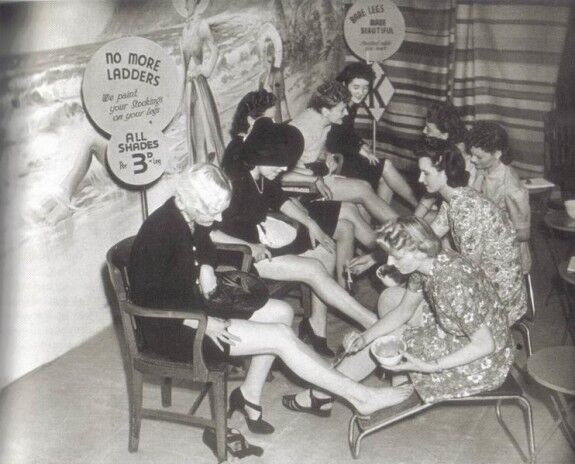
This practice wasn’t even that long ago. World War II brought plenty of hardship to women all over the world, but one of the things that many British and American women were disappointed in was the disappearance of their beloved nylon stockings due to clothing rationing.

To further complicate matters, general guidelines suggested that women shouldn’t lower their standards of looking good, and keep up appearances, so to speak. Some canny ladies came up with the idea of painting the backs of their legs in the appearance of stocking seams. What did they use to do it? Gravy. Mmm, tasty.

Hairline Plucking

Photo by fashion360.ru

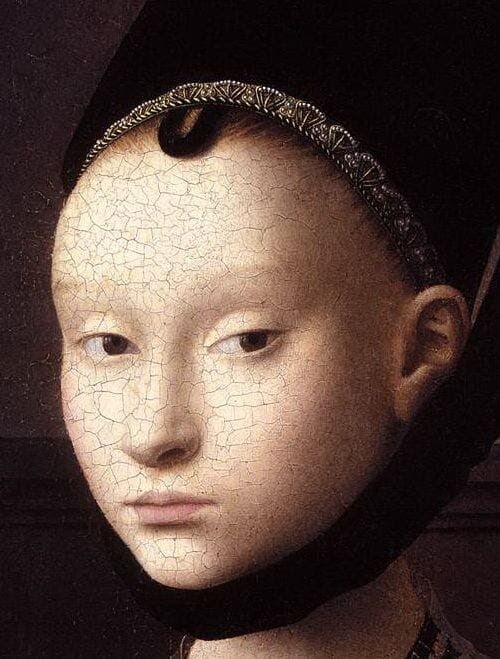
Tweezing and plucking body hair isn’t that new, but medieval folk in the United Kingdom took it a step too far. A high forehead was considered particularly attractive in those days, and so from around 1300 onwards, women began to bring their hairline back to increase their forehead size.

Sounds crazy? Absolutely. They used to pluck their hairlines to achieve the barely-there approach. Also, eyebrows were out of style, so they, too, were plucked to the tiniest line. In contrast, the Church dictated that if women removed hair from their faces, it was sinful. A bit between a rock and a hard place, isn't it?

Foot Binding

Photo by aquelarreweb.com

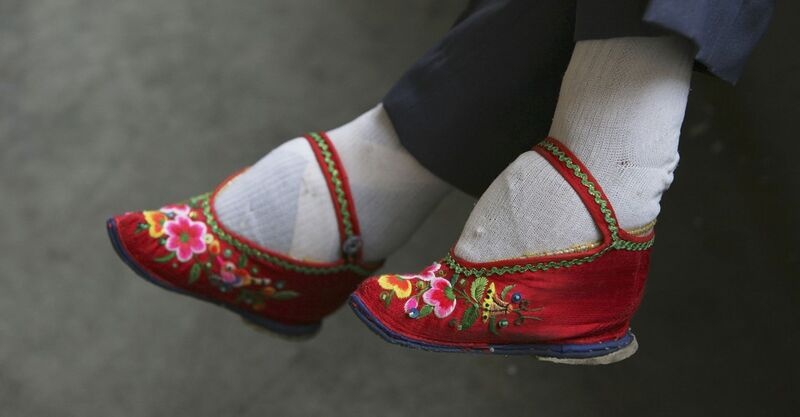
Some days it might be a struggle to remove your Louboutins, but at least you can buy them in whatever size your feet come in. For a long time, particularly in China, it was seen as attractive to have teeny, tiny feet that would fit into the daintiest of shoes.

To achieve this, the feet needed to be broken in childhood. Then they were bound and walked on for two years until the young girls had deformed feet. This practice began in the 10th century when a dancer named Yao Niang mesmerized the Chinese Emperor with her tiny feet that she had formed into the shape of a new moon. If your feet were more than six inches, it could damage your chances of marriage.

Urine Mouthwash

Photo by airbnb.ca

The Ancient Romans gave us many things to be thankful for: roads, central heating, flushing toilets. However, it’s a good thing that we haven’t continued all of their practices. In order to whiten their teeth, wealthy Romans used to rinse out their mouths with urine.

It couldn’t be any old urine either. It was desirable to have the urine of the Portuguese, as it was believed to be the strongest in the world. Urine contains ammonia, which is a powerful disinfectant, but we're not sure any dental bill would make someone drink urine, let alone ask a Portuguese person for theirs.

Teeth Tattoos

Photo by imgur.com

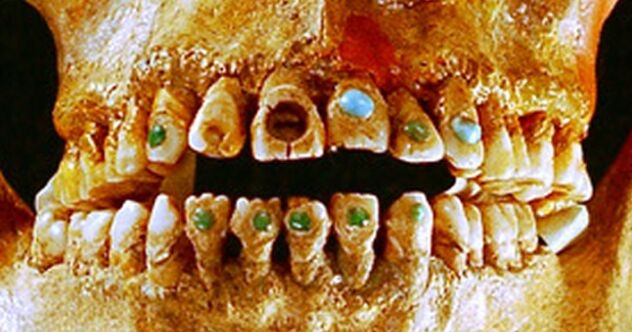
For some time from the 1980s through the 2000s, it became pretty fashionable to spot a diamond-studded grill, but this isn’t a new thing. Tattooing teeth goes as far back as 2500 years ago - the ancient Mayans were all about that bling.

Regardless of social status, it was popular in what is now Mexico to have your teeth studded with stones. “Dentists” of that era would drill into the teeth, without anesthesia, naturally, and insert gems. Later, some of those gems were stolen from burial grounds, but the evidence is there that this was a widespread practice.

Beauty Patches

Photo by readtiger.com

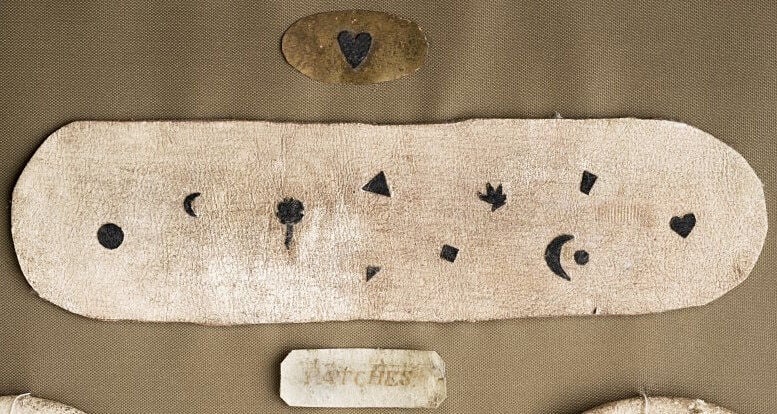
Beauty patches were originally made to cover up damage or blemishes on the skin that had been caused by disease or lead-based cosmetics. They were certainly a sign of wealth, as elite ladies had them made in velvet and silk. They were coated in the adhesive so that they would stick to the skin.

French women particularly liked the trend and they used to make the patches a little fancy by having them made in shapes of moons and stars. When more subtle make-up became fashionable in the late 1700s, the patches were no longer useful.

The Unibrow

Photo by vbox7.com

In the 21st century, mocking someone’s unibrow is something of a sport, particularly if a celebrity hasn’t been to the salon in some time (hello lockdown). However, before the days where body hair wasn’t seen as quite so ugly, the unibrow was actually a thing of beauty.

Women in Ancient Greece used to leave those stray hairs there to signify their intelligence and purity. Some went as far as to darken the hair, particularly if they were fair or didn’t have much hair. There were even ladies that went so far to get unibrows made from goat hair and tree resin.

Lip Plates

Photo by fishki.net

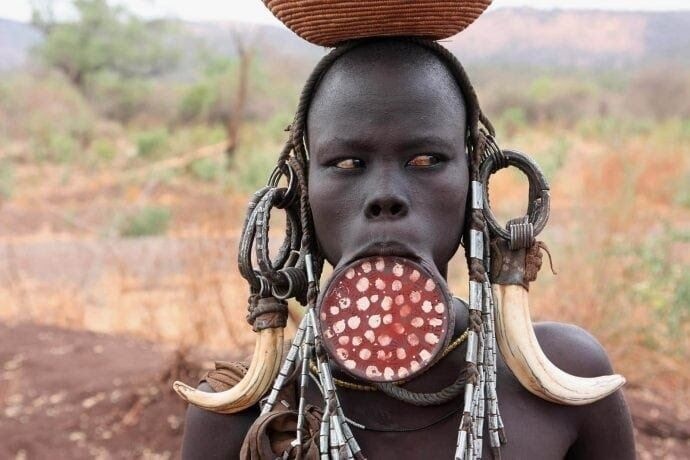
Lip plates were worn by women in Africa around 8700 BC. These plates had different purposes but were often worn to attract potential suitors. Different tribes had different designs and meanings. There is evidence that they were popular in Ecuador too, around 500 BC.

Whatever discomfort a woman went through wearing one, it was all about the reward. The size of the plate determined how much cattle the girl’s family would receive for her hand. The Surma and Mursi still use this practice today, and women take great pride in modeling their own clay plates.

Removing Eyelashes

Photo by 1000museums.com

Fuller eyelashes have been coveted for the past few decades - everyone wants lustrous lashes and will pay to achieve them, whether that’s through a volume mascara or actually paying for extensions. There are dozens of treatments and promises for full lashes on the market.

Back in the Middle Ages, this certainly wasn’t the case. As discussed, it was seen as more attractive to accentuate the forehead, so many women actually removed their eyelashes to make sure nothing distracted from it. Sounds a little painful! You have to wonder how they plucked them out.

Pale Skin

Photo by chosun.com

In certain cultures, white skin is seen as beautiful, but many of us in the Western world are seeking that bronzed glow. Everyone wants to look like they just stepped off the beach and tanning products take up plenty of space in department stores and pharmacies.

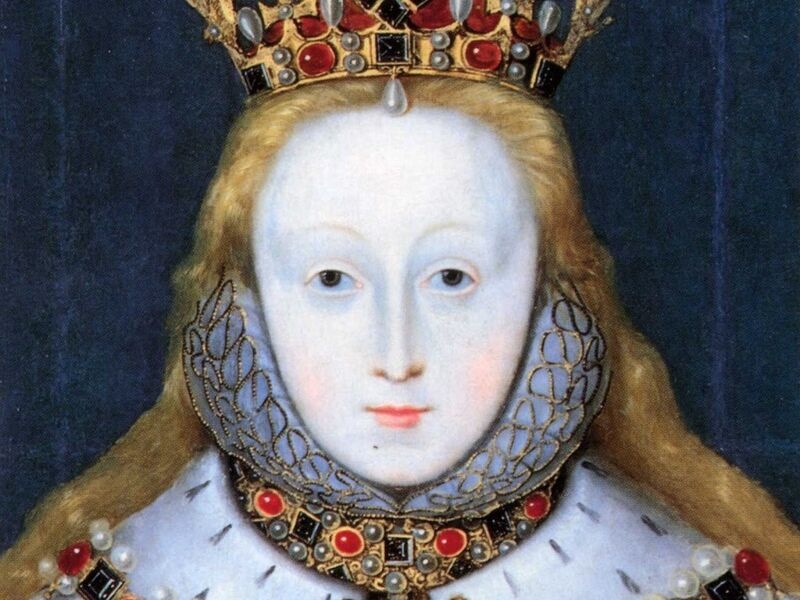
In the Elizabethan Era, however, women wanted the opposite. Look at any painting of royalty and marvel at how white the women's faces are. Now, we may have been taught that staying pale is safer, but not in the way these ladies did it. They used white lead and vinegar to whiten their skin, and some even ate clay to try and achieve the look. Unsurprisingly, many ending up damaging their skin, which led to them caking even more makeup on.

Accentuated Veins

Photo by 11033.net

Now, if your veins are protruding or pretty obvious, you’d probably want to cover them up, but not in 18th Century France. Then, as it was fashionable to have pale skin, if you were naturally translucent, your veins would be pretty obvious.

Those who weren’t so pale had ways of getting around this. Some would use a blue pencil or paint to fill in their vein lines a little more; others decided that pain was gain and would attach leeches to suck their blood and bring their veins to the surface! Blue-blooded was a positive term that arose from this era.

DIY Blush And Lip Color

Photo by Alessandro Bassano/PD-US

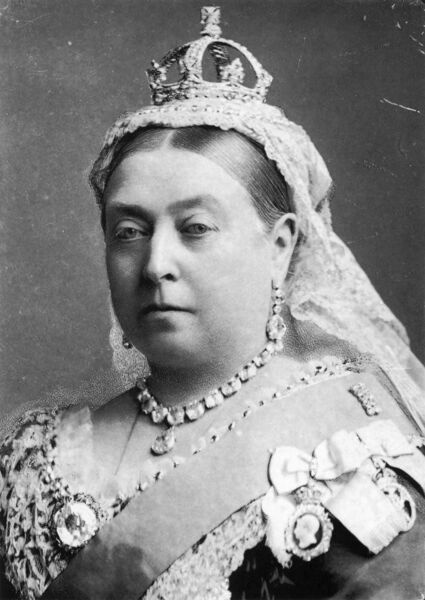
Britain’s Queen Victoria was scathing about the use of makeup and said it should only be reserved for actors and prostitutes. This meant that many women during her rule didn’t wear much makeup. It was an admirable stance to take, but not everyone respected it.

Some women liked the rouged-up look, so they attempted to find alternative ways to make themselves look healthier without the use of makeup. They would pinch their cheeks repeatedly and bite their lips (sometimes to the point of bleeding) before they met up with any potential suitors. These ladies were firmly of the belief that pain is beauty.

Kylie Jenner Lips

Photo by dailymail.co.uk

Love or hate her, Most people know who Kylie Jenner is. As one of the most influential people in the world, it's obvious that many young ladies want to either be or look just like her. This teenager may have tried a little too hard though.

Trying to recreate the "Kylie Jenner Lip Challenge", Lily Greenland got her lips stuck in a shot glass, and when her mom, Danni, saw her daughter, she just had to capture the hilarious when moment her daughter's lips swelled up like "lip fillers gone very wrong". Poor Lily had to go to school with this look - we can only imagine how that went! Anyway, thanks for the laugh, Lily.

Skull Elongation

Photo by rarehistoricalphotos.com

Many people nowadays have a style icon that they love to emulate - whether that’s Kendall Jenner or Olivia Culpo. We can’t always nail their look, but there are plenty of tutorials on how to. However, the Maize God of the Mayans had one particular feature that women went crazy for: an elongated skull.

Sounds crazy? Well, ladies went to great lengths to recreate the look. From birth, their skulls were bound in a way that marked their place in society, so just a few days after birth, a baby’s head was stretched out on a bed, or sometimes placed between boards and pressed together to achieve the elongation. Sounds sore, and possibly life-threatening.

Knee Rouging

Photo by boomerinas.com

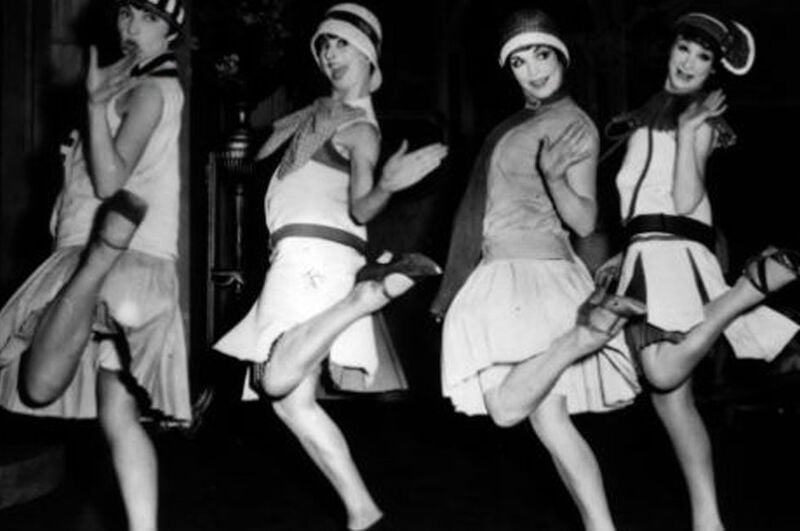
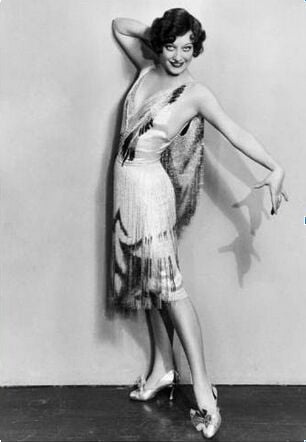
A little more recently, and less alarmingly, was the penchant for rouging one's knees. In the 1920s when skirts got shorter and women exposed more leg, they liked to make their legs look the best they could. The words from "All That Jazz" even reference the trend: “I’m gonna rouge my knees, and roll my stockings down,” ...and all that jazz indeed.

Why the knees? Well, their hems usually sat below the knee, but while dancing the Charleston, hems would sometimes rise a little above the knees. With a little rouge, you could have the most tempting knee in the room! Eye-catching.

Dangerous Dye

Photo by Flickr

Dyeing your hair is quite normal these days - we think nothing of a rinse-out color or some balayage. However, rewind back almost a century and it could certainly raise a few eyebrows. It was only really chorus girls or ladies of the night who would dye their locks.

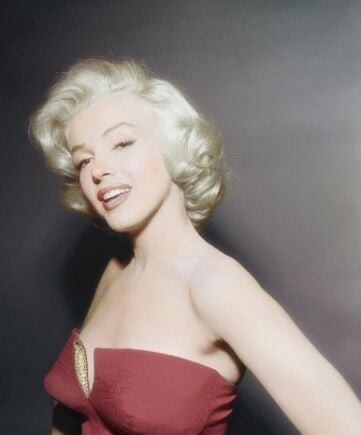
Due to that, you couldn’t just pop down to the store to pick up dye. This led to many women practicing dangerous methods to get their hair a different color. Actress Jean Harlow was known for her iconic platinum do, but it may have led to her death. She used ammonia, Clorox, and peroxide to achieve that white blonde, but these produce a toxic gas, which may have led to her kidney failure.

Lard Wigs

Photo by blogspot.com

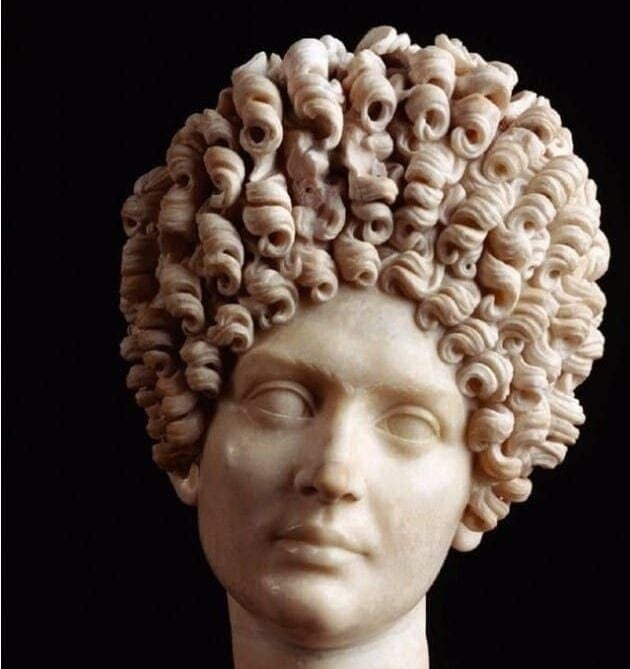
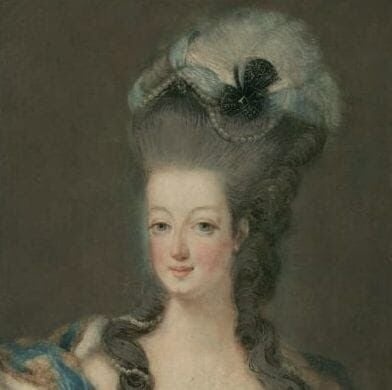
Women in the 18th century used to wear wigs to boost their hair. Since there was so much hair in these pieces, they had to find ways to tame the mane, and one product they were fond of was lard. Sticky, but it worked well to hold the hair in place.

There was one big problem with this, though. The lard would attract rats, who used to come and live inside the wigs. Many women would sleep with their wigs on, so that led to sleeping with a cage around their heads to keep the rodents out. If you’ve ever thought your own hair is like a rat’s nest, you probably didn’t imagine this!

Arsenic Skin Treatments

Photo by rubylane.com

Although women in the 1800s were aware that arsenic was toxic (many murderesses of the era used it for poisoning), they still pursued their quest for beauty unabashedly. They began eating arsenic to turn their skin white when they couldn’t use lead anymore.

Arsenic did have some positive effects - it whitened the skin and it helped even out the complexion, but it also caused baldness. When women stopped taking it, their skin would become ten times worse, so they ended up taking it until they died, probably from eating arsenic!

The Bob Epidemic

Photo by mancluboo.com

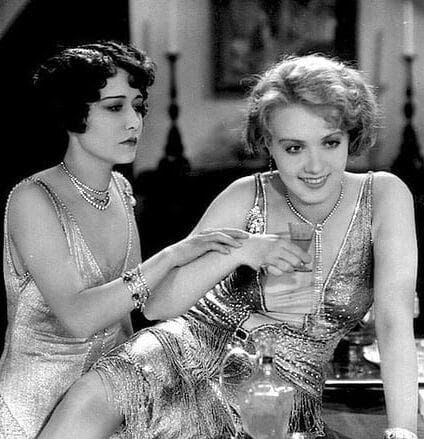
The bob is a haircut that rises and falls in popularity but is still favored by women who want something easy to manage that still looks cute. However, when the bob was worn by women in the 1920s, it was seen as much more risque.

It was a real statement in that time, as hair was seen as a symbol of femininity. Some found it absolutely shocking while others wanted to show how modern they were. Doctors even went to such lengths to prevent the style as to try and prove that getting a bob would give a lady a backache or could make them go bald. There were even some men who divorced their wives - over a haircut!

Sweat Facial

Photo by bravepages.com

A good facial can set you back quite a few dollars, but Ancient Romans had their own secret: they used sweat to get that proper glow. The Romans were known for many things, but funnily enough, this one hasn’t lasted through the ages. It was a particular kind of man sweat that was coveted for this job - that of brilliant gladiators.

Along with the hype of the fight, little markets were set up outside venues selling all kinds of wares. One product you probably hadn’t imagined were pots of gladiator sweat and blood. These were scraped from the powerful gladiators and mixed into creams and cosmetics for elite women. It was also considered an aphrodisiac, as power often is.

Portrait Nails

Photo by Mailer, John F/PD-Canada

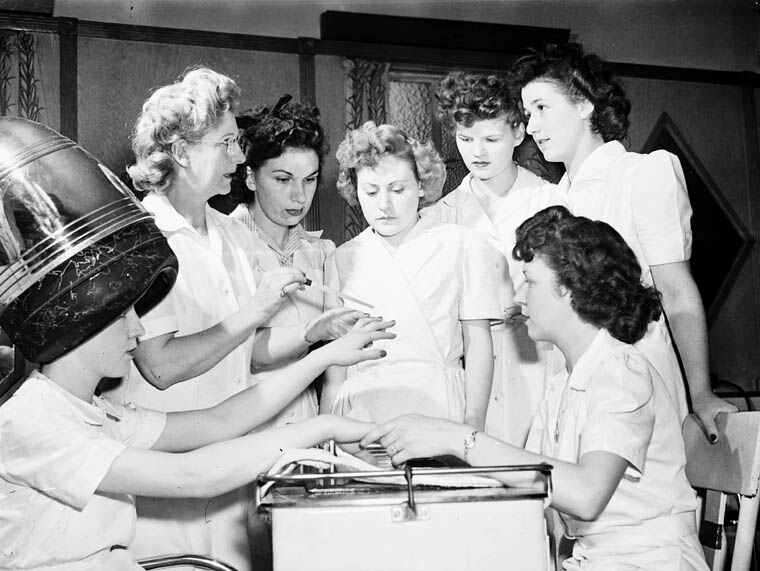
Here’s a trend we’d like to bring back to pay tribute to our gals. In the early 1900s, manicures were a status symbol, so it was important to have your nails perfectly polished. People of a lower social class had chipped nails while the elite boasted long, painted nails.

It’s not unusual these days to get gems and patterns on your nails, but 100 years ago, ladies got their friends' portraits gently painted onto theirs. That showed that you really were high in the social pecking order. Bring it back!

Crushing Corsets

Photo by afamily.vn

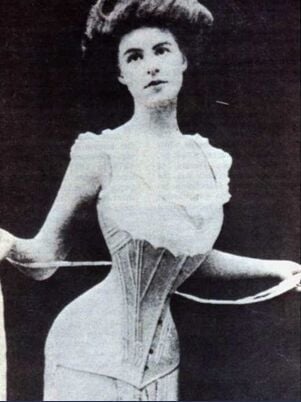
If you ever watched a period drama or anything on royalty in a different era, then you’re bound to have seen a scene with a woman being squashed into a corset. What is rarely shown is that this often caused injuries such as displaced spleens and broken ribs!

Victorian women were particularly happy to suffer for their beauty. Corsets had been worn for a few centuries prior to this, but they became tighter and tighter until the 1890s when they would cause havoc on internal organs, make women short of breath (also seen as attractive), and worsen health problems such as gastroesophageal reflux, which sometimes killed people!

Shaving Armpits

Photo by blesk.cz

In the 18th or 19th century, shaving your armpits was completely unheard of. It would be like shaving off your eyebrows today (never worth it!), and perceived as quite odd. So, what happened to change women’s minds? The simple answer is advertising.

The brand Gillette had been huge for several years by the 1920s, as men had to be clean-shaven for war. When the First World War ended, Gillette wondered how they could keep sales booming. They had the bright idea to join forces with fashion magazines to promote sleeveless fashions and hairless armpits, and it worked - a little too well!

Neck Rings

Photo by historydaily.org

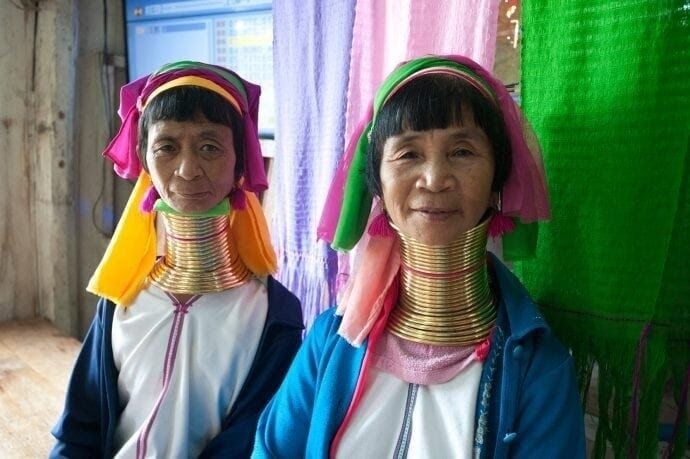
The tradition of wearing neck rings has been traced back as far as the 11th century in Africa and Asia, and it has been suggested that it is even older than that. There may have been many reasons why women wore rings to elongate their necks, but one was certainly to give them more status.

Sometimes they were worn to make women less attractive so that men from neighboring tribes wouldn’t steal them! However, they came to be seen as very elegant and attractive, with the gold rings showing how wealthy their family was. In Thai tribes, it is still practiced, although the rings aren’t as structurally damaging as they once were.

The Smoky Eye

Photo by 24h.com.vn

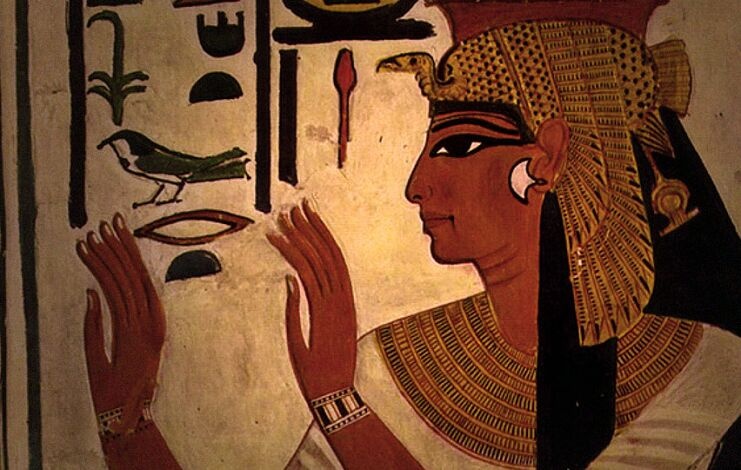
The sultry, smoky eye is a trend that started in modern times when Elizabeth Taylor played Cleopatra in 1963. However, this was a good reflection of the look that the inimitable ruler sported back in 50 B.C. It was beautiful, but it wasn’t very safe to achieve then, given that they had no Mac or NYX.

Egyptians made kohl from lead, soot and animal fat, in order to achieve the smoky eye look. Lead is poisonous, but it may have helped block the sunlight so that eyes didn’t get strained in the harsh sunlight. It also probably curbed infections in the ancient land. However, the life expectancy around this time in Egypt was 30, so perhaps stick to the expert brands around today.

Modern Day Looks

Photo by womany.net

When you’re scrolling endlessly on social media, you’re bound to see new trends popping up on a daily basis. It can become addictive to try the new trends, but while some are more than welcome (hello, fuller brows - the '90s and '00s missed you!), there are others that probably won’t take off that well.

Some are downright bizarre, while others are as impractical as some of the trends that are ancestors pursued with vigor. The way trends go nowadays, some of these may already have passed. Which ones have you tried, or even seen before?

Neon Eyeliner

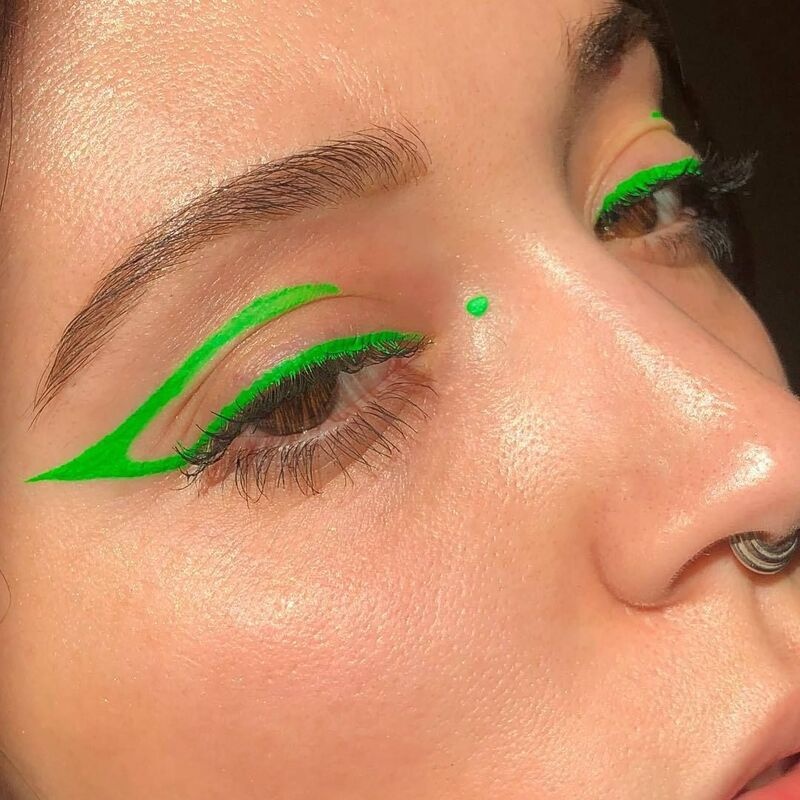
When it comes to making things a bit brighter, most people agree that it’s a positive thing. Neon eyeliner is taking off in a big way, and drawing attention to your peepers never goes out of style. But you've got a couple ways to do it.

You can go the bold way as above, or you can make yourself an illusion: just grab some crisp white eyeliner and some bright eyeshadow to give yourself that lift. Walk under the dark lights and voila, you seem like you’re glowing in neon. Practice with a steady hand to perfect the look.

Lollipop Lips

Photo by unsplash.com

You know when you were a child and you got into your mom’s or grandma’s make-up? Chances are that you went heavy on the rouge, eyeshadow, and oh my, all that lipstick. While this look doesn’t exactly mean doing that, it does sound like the result of it. Lollipops lips debuted recently on Insta, and certain people are going crazy for it.

When a child has a lollipop, most of the artificial color ends up all around their lips. Apparently, this is now a beauty trend. One way to achieve this is by going heavy on the lippy and then having a good smooch with your other half. Rather than fix it, embrace the messy look - you’re bang-on trend.

Glitter Roots

Photo by weheartit.com

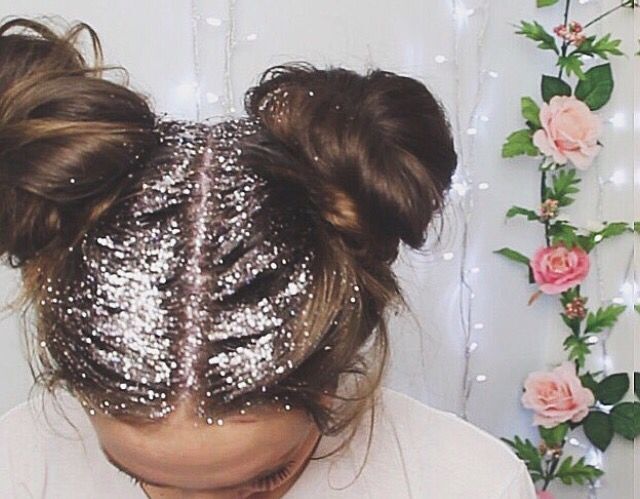
This one is practical and funky. When you’re just too busy to get your hair done (or your hairdresser can’t work, cause lockdown) then here’s a great solution. You can pick up some glitter almost anywhere, or order online and whack that on your roots. Hello, fashionista!

Glitter roots are so hot right now that they’ve been seen on the runway, and even Kendall Jenner has been known to sprinkle the glitter on her hair. It doesn’t have to be reserved for big nights out either, if you’re heading to the shops and your roots are looking a bit glum, then you can brighten them up in no time.

Nose Hair Extensions

Photo by quantumwi.com

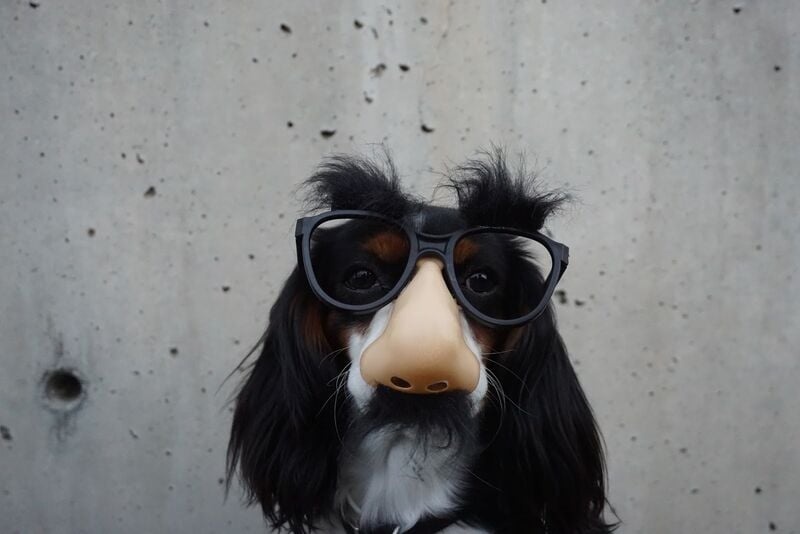
While the last one has some practical uses, this one is...interesting. For many years, going as hair-free as possible was on-trend, but we’ve graduated from the natural look to just being extra. Throw out the nasal hair trimmer, and indeed, add some extra hair if you can. This was a joke to begin with, but it has somehow caught on.

Where in the world would you go to get nose hair extensions? Well, they are actually fake eyelashes, applied in or below the nose. So, if you fancy feeling a little hairier above the lip, then it’s easy to get the look.

Braided Eyebrows

Photo by 043media.us

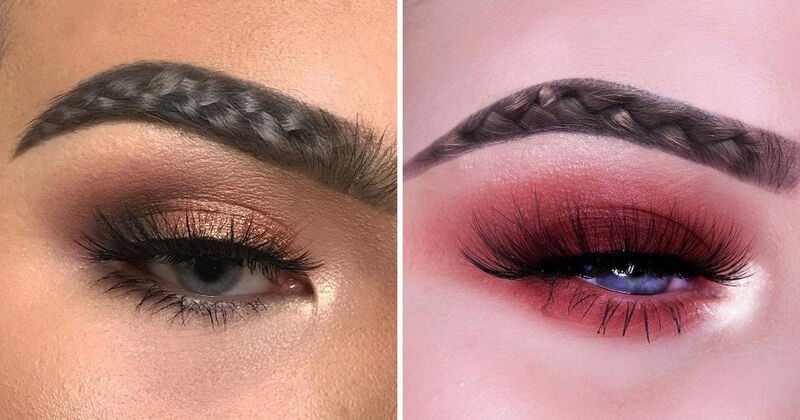
The story goes that someone decided to Photoshop some braided brows onto their model, and suddenly everyone was in on the craze. Most people don’t really have enough brow to braid, and that’s why the Photoshop idea was genius, depending on how you look at it.

Beauty bloggers decided that they wanted something more natural and set about ways to recreate the look, using their tools. So, if you’re handy with a brush and want to up your eyebrow game, you can try this look. Or, stick to the au naturel look, and ditch the braids.

Ear Makeup

Photo by argumenti.ge

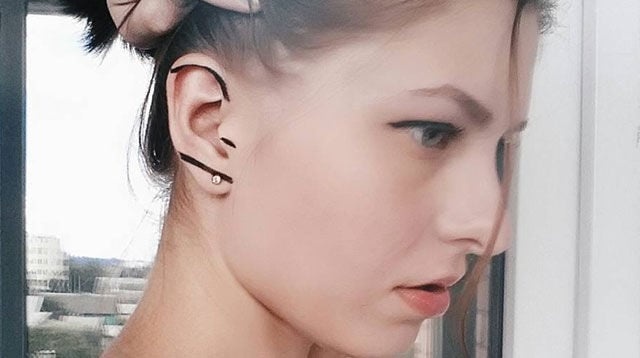
Believe it or not, people have been putting makeup on their ears for more than five years now. It’s hard to believe, but certain beauty magazines make the claim, so it must be true. We guess it’s daring to be different and draw the attention on to your lobes, which may be rather pretty.

Perhaps someone couldn’t wear earrings so decided to bling up their ears in a different way. It’s a cool concept, and one that many can get on board with, but you quickly realize just how much you touch your ears, so go for stay-fast colors.

3D Lip Art

Photo by music.apple.com

Makeup artists have long experimented with different looks for magazine and runway looks. It can take hours to perfect a look and it is its own form of concept art. If you think makeup is just for highlighting your cheekbones or masking dark circles, then this look probably isn’t for you.

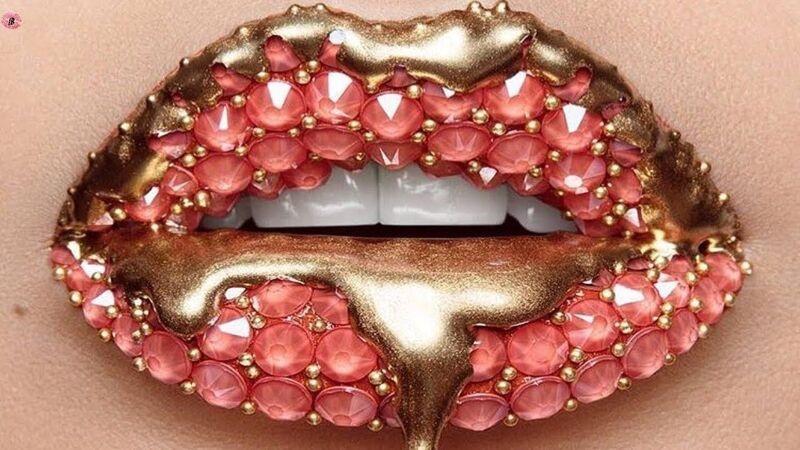
3D lip art is one of the latest trends to get the beauty bloggers talking. Accentuating the lips isn’t just about color anymore - now you can add gems and sequins to take it to the maximum. This one looks absolutely fantastic, but you need to ensure nothing edible or liquid passes your lips while showing it off.

Faux Freckles

Photo by caak.mn

In certain cultures, freckles are seen as a sign of beauty, and it has been known for models to have freckles drawn on for the catwalk. However, not many people actually go out of their way to get freckles, until now.

A new trend that has emerged is that of tattooing freckles on to the face so that you don’t have to go out in the sun to get them. In an effort to mimic this, more and more people have been using their eyeliner pencils to add a few dots across the nose. It seems freckles are definitely in.

Bottom falsies

Photo by pinterest.se

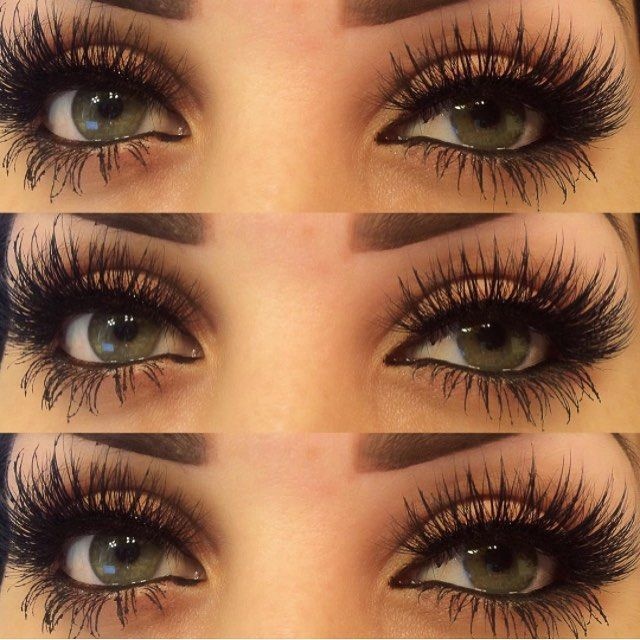
A little extra length on the top lashes is pretty, and it’s something that we’ve been doing for years. Long lashes complement the wearer, no matter what else you have on your face. Most people have added false lashes at some point - for a wedding, party, or other big event.

But now, false eyelash lovers have taken to adding the lower lash. It’s a dramatic look, but one wonders how practical it is? Do the top and bottom become entangled? Those of shorter lashes really love the feeling, and it harks back to the 1960s with an eye-opening effect. It's definitely worth giving a go, particularly if your eyes are your best feature.

Loading next article...
ADVERTISEMENT